
The plastic and rubber industry continues to face operational pressure from multiple directions. Supply chain instability, rising material costs, stricter environmental requirements, and aging infrastructure are forcing manufacturers to rethink operational reliability. For many facilities, the focus has shifted from rapid expansion to operational stability, downtime reduction, and increased process visibility.
Plastic and rubber manufacturers operate in highly competitive environments where production interruptions quickly impact delivery schedules and profitability. As a result, many companies are prioritizing reliability improvements and targeted modernization projects. These efforts strengthen existing operations without requiring full system replacement.
Supply Chain Disruptions Continue to Affect Production
Global supply chain volatility remains one of the industry’s largest challenges. Delays involving raw materials, electrical components, drives, sensors, and replacement parts have made consistent production scheduling more difficult.
Many facilities are improving maintenance practices and reducing dependence on obsolete equipment. Upgrading controls, standardizing critical components, and improving spare parts management can help minimize downtime during supply chain disruptions.
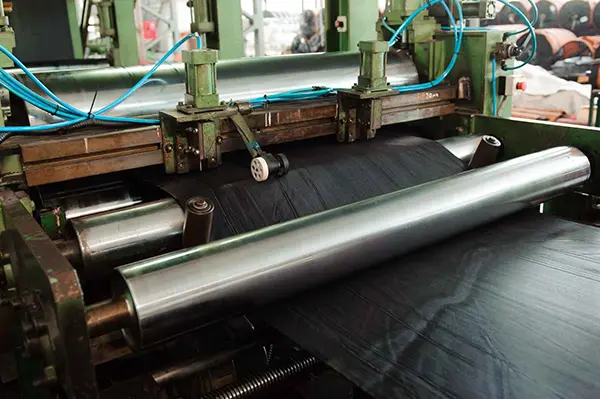
For operations that rely on rubber processing equipment, maintaining reliable motor controls, PLC platforms, and power distribution systems has become increasingly important. Facilities that modernize critical systems often improve troubleshooting efficiency and reduce the risk of outages tied to obsolete components.
Sustainability Expectations Are Reshaping Operations
Sustainability requirements are also influencing how rubber and plastics manufacturers evaluate production systems. Customers, regulators, and internal initiatives are increasing pressure to improve energy efficiency and reduce waste. Rather than replacing entire production lines, many facilities are implementing focused upgrades that improve operational efficiency while extending equipment life. This includes:
- Updating motor control systems to improve energy usage.
- Improving process monitoring and production visibility.
- Reducing unplanned downtime and material scrap
- Modernizing outdated electrical infrastructure.
- Increasing automation consistency across production lines.
These industrial plastic solutions help facilities strengthen operational performance while supporting long-term sustainability goals.
Reliability Has Become a Competitive Advantage
Production reliability is now a major differentiator for industrial rubber suppliers and global manufacturers. Unexpected downtime can create missed shipments, product quality issues, and increased operating costs.
Many facilities are addressing these risks through a combination of preventive maintenance, electrical system upgrades, and automation improvements. System visibility has become especially important. Operators and maintenance teams need accurate production data and diagnostic information to identify problems before failures occur.
Facilities that invest in modernization often improve:
- Equipment availability
- Maintenance response time
- Production consistency
- Operator visibility
- Overall process stability
These improvements are particularly valuable in operations with aging rubber processing equipment or expanding production demands.
Adapting to Long-Term Industry Changes
The plastic and rubber industry will continue to evolve as manufacturers respond to shifting supply chains, changing customer expectations, and increasing operational demands. Companies that focus on reliability, modernization, and maintainable infrastructure are often better positioned to adapt to future challenges.
For many facilities, success depends on making practical improvements that strengthen existing systems while supporting long-term production goals. Strategic upgrades to controls, electrical systems, and process infrastructure help plastic and rubber manufacturers maintain reliable operations in demanding environments.
For more information about industrial automation, controls integration, and system modernization solutions for manufacturing facilities, contact Adam Kahler at akahler@quadplus.com or (815) 210-9885.