
Protective relays are designed to recognize electrical faults and trigger the appropriate response before equipment is damaged or workers are put at risk. As electrical systems and relay technology have become more sophisticated, testing methods have evolved to keep pace.
Modern protective relay testing standards help verify that relays respond correctly when needed. Following these standards gives facilities confidence that their electrical protection systems are properly configured, tested, and ready to operate when a fault occurs.
From Electromechanical Relays to Digital Protection
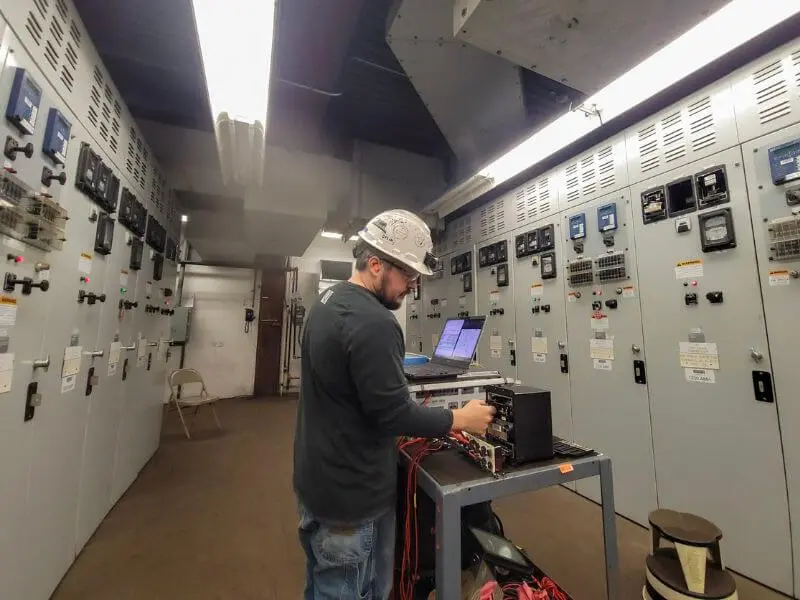
Early protective relays were electromechanical devices designed to respond to specific changes in current, voltage, frequency, or other electrical conditions. Testing was comparatively straightforward and focused on characteristics such as pickup values, timing, and mechanical operation.
Solid-state and digital relays changed both protection capabilities and testing requirements. A single modern relay may perform multiple protection functions. These can include programmable logic, event recording, and communication with other devices. Modern relays may also operate as part of a larger power system protection plan.
As a result, protection relay testing has expanded beyond confirming that an individual device operates.
Testing Standards Have Evolved With the Technology
As protection systems became more complex, testing practices had to address more than individual relay performance. Modern protective relay testing standards help establish consistent methods for verifying proper operation. Testing may now include verifying settings and logic, inputs and outputs, communications, trip functions, and coordination with other protective devices.
This distinction matters. A digital relay can function properly as a device while still having an incorrect setting, logic configuration, or coordination issue that affects how the system responds to a fault. Current protection relay testing procedures are designed to identify these problems before the system must respond to an actual fault.
Standards and recommended practices also give facilities a consistent basis for testing and documenting relay performance. That becomes increasingly valuable as equipment is replaced, protection plans are modified, or system operating conditions change.
Testing Does Not End at Commissioning
Commissioning establishes that a protection system operates correctly when it is placed into service, but those conditions do not remain static. Relay settings may be revised. Loads and equipment may change, and components can deteriorate. Modifications elsewhere in the electrical system can affect coordination.
Periodic protective relay testing provides an opportunity to verify that the protection plan still reflects current system conditions. Comparing results with previous test records can also help identify changes in relay or circuit performance before they affect system protection.
For facilities, keeping testing practices aligned with current standards means knowing what will happen during a fault. Properly tested electrical protection systems help isolate faults as intended. They also limit unnecessary equipment interruptions and reduce the risk of damage to equipment outside the affected portion of the system.
To learn more about protective relay testing standards and how to maintain reliable electrical protection systems, contact Adam Kahler at akahler@quadplus.com or call (815) 210-9885.