
Why Wisconsin’s Forests Matter
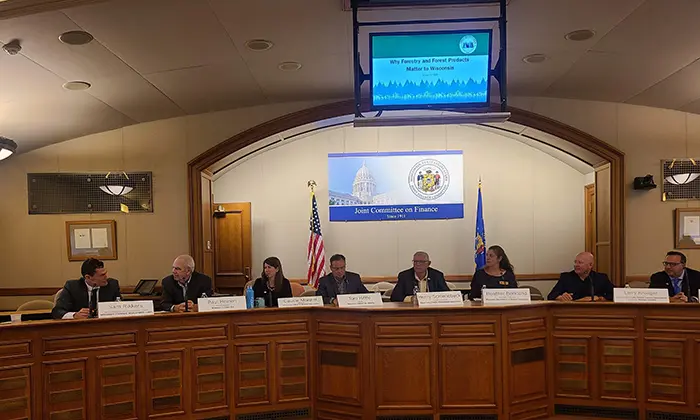
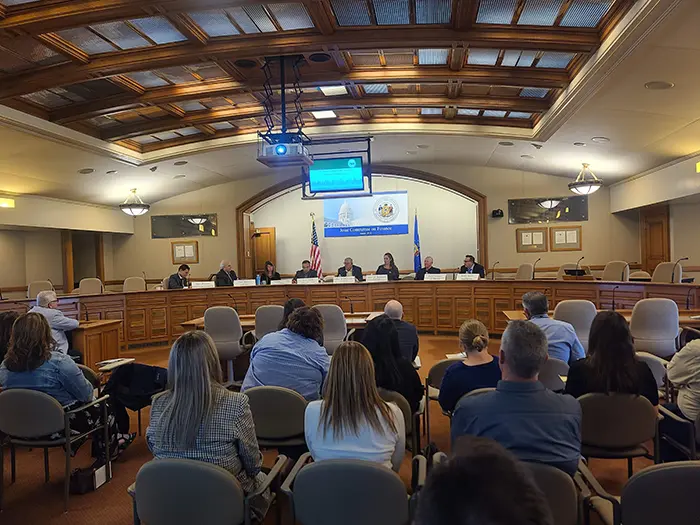
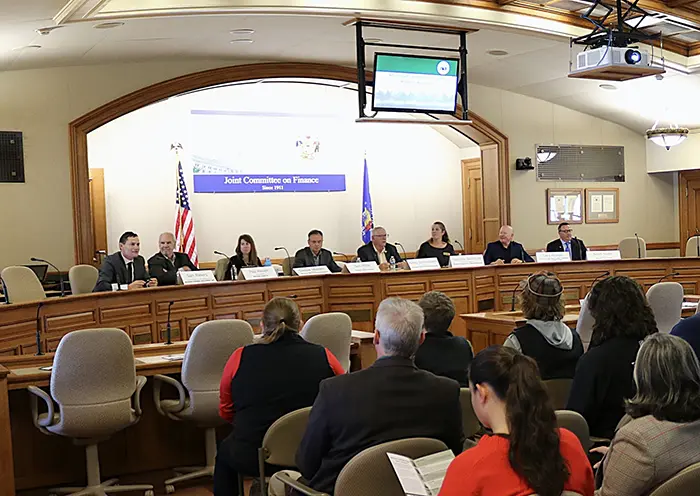
Wisconsin Forest Products Week kicked off at the State Capitol with leaders discussing why
forestry is essential to our state’s economy, environment, and communities.
A Story of Recovery
Wisconsin’s forestry journey is remarkable. By 1915, only 500,000 acres of forest remained after early settlers cleared land for farming. Thanks to dedicated leaders who championed fire control, reforestation, and programs like County Forests and School Forests, Wisconsin now has nearly 17 million acres of healthy forest.
Economic Impact
The forest products industry supports thousands of family-sustaining jobs across rural Wisconsin through papermaking, logging, and manufacturing. Wisconsin leads the nation in paper production, contributing billions of dollars annually to our economy. But keeping this industry strong requires investment in infrastructure, technology, and skilled workers.
The Workforce Challenge
With many experienced foresters and mill workers nearing retirement, attracting young people to forestry careers is critical. Programs at UW-Stevens Point, technical colleges, Trees for Tomorrow, and LEAF Education are helping, but need expanded funding and support.
Setting the Record Straight
Many people misunderstand forestry, confusing sustainable forest management with deforestation. Wisconsin wood products—from paper to flooring to building materials—are renewable, recyclable, and carbon-friendly. Leaders called for better public education about forestry’s benefits, especially for residents in southern Wisconsin who may not experience forests firsthand.
Innovation and the Future
Wisconsin is pioneering new wood-fiber technologies, including cross-laminated timber, biodegradable packaging, and carbon-capturing building materials. Research at the U.S. Forest Products Laboratory and state universities is expanding wood’s role in sustainable manufacturing.
Moving Forward Together
To stay competitive, Wisconsin needs policy reforms to streamline permitting, improve truck weight limits, and restore rail service. A new statewide strategic forest-industry plan, led by the Wisconsin Council on Forestry, aims to unite industry, educators, landowners, and policymakers around a shared vision.
The bottom line: Wisconsin’s forests underpin our economy, environment, and quality of life. Sustaining this legacy requires continued investment in people, innovation, and collaboration—ensuring the next century of Wisconsin forestry is even stronger than the last.