Green Bay Innovation Group
GBIG News

GBIG NEWS | 98 Stories and Links on the Internet 3/11/2026

GBIG News

Get links to the latest news, events, stories, and interviews from our 5P news members. Our goal is to remind the decision-makers in Wisconsin of the importance of our industry both historically, and more importantly, into the future.

Read the latest 98 Stories and Links on the Internet below.

Featured Stories

PFAS Enforcement Legislation Update

Assembly Bill 131 Passed the State Assembly and is Awaiting Senate Action

How a Legislative Compromise Was Finally Reached:

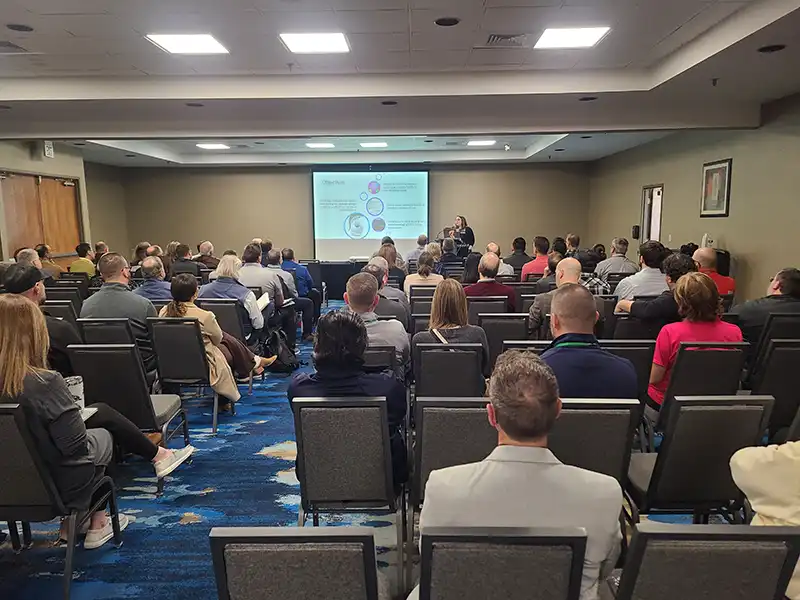
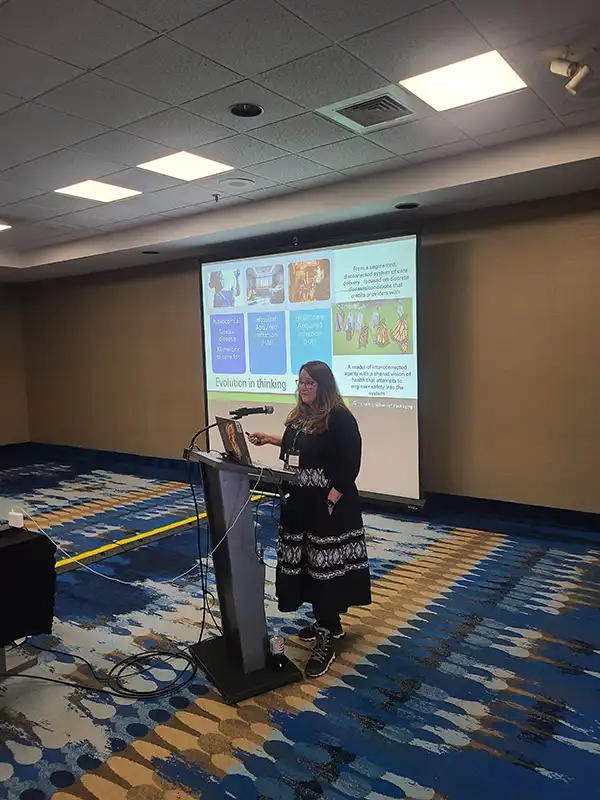
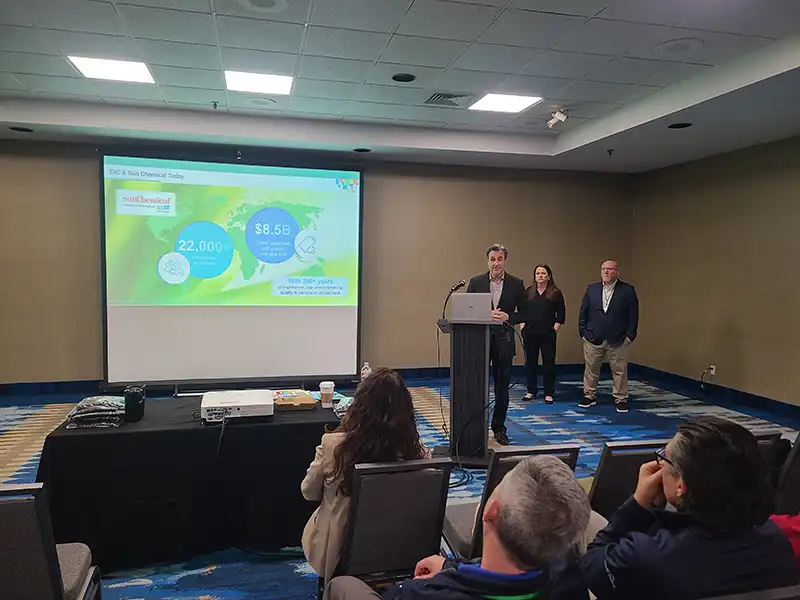
PFAS audience

Following extensive and often intense negotiations between manufacturing trade associations and the authors of the PFAS enforcement legislation (Assembly Bill (AB) 131, a legislative deal on Assembly Bill 131 was reached that provides meaningful, though targeted, relief for permitted manufacturing interests under Wisconsin’s spills law relating to PFAS.

While this agreement does not provide all of the protections that our manufacturing coalition fought for, it does create a new permit-based exemption for landspreading which does provide a level of regulated protection for manufacturers that land spread.

At the same time, the deal does not resolve legacy contamination exposure and does not fix Wisconsin’s fundamentally flawed spills law, which continues to pose significant risk to industry.

Our coalition secured these concessions from the bill authors in a very difficult environment while preserving the ability to continue advocating for broader reforms. It is important to note that our manufacturing coalition is now neutral on the bill but is NOT registered in support due to numerous outstanding issues which will need to be lobbied on next year.

What The Deal Entails:

  • The legislation creates a new permit-based exemption intended to ensure that entities operating within their current or future permit limits or conditions related to PFAS are not unfairly swept into spills liability for PFAS.
  • In practical terms, if an entity qualifies under the exemption, the exemption applies.

New Exemption for Permits Issued Post Enactment

The bill exempts the following from Wisconsin’s Spills Law: “A person holding a valid permit under ch. 283, including general permit coverage under s. 283.82(4)(b), with respect to PFAS discharged in compliance with limits or conditions in the permit.”

Why This Matters for Manufacturers

  • This provision protects manufacturers permitted under ch. 283 from spills law liability if their permits currently include PFAS-related conditions—or if such conditions or limits are added in the future.
    • This is a significant improvement over current law, which provides no comparable exemption.
  • The legislation also directs DNR to place PFAS conditions into the permits of current permittees
  • within 120 days of enactment through a general permit. That general permit will remain in effect until an updated individual permit is issued.
  • The agreement also ensures that any permits issued after enactment have PFAS-related conditions or limits.
  • Together, these changes ensure that both current and future ch. 283 permit holders can promptly qualify for the new exemption.

Municipalities Will Operate Under the Same Rules as Manufacturers

  • Another important outcome of the negotiations is that municipalities will be subject to the same rules and regulations as manufacturers.
  • Previous to this agreement, municipalities were given an exemption to the spills law, which clearly was unfair given the fact that manufacturers and municipalities use the same water in their processes.
  • This was critical to avoid creating a “liability funnel” where industrial entities would bear disproportionate risk relative to municipal contributors.

Concessions Achieved In This Deal:

  • Coverage for both current and prior permit holders.
  • Blanket permit exemptions which protect manufacturers
  • Municipalities and manufacturers placed on the same level playing field
  • Better alignment between permits and spills law exposure.

Where is the Legislation Now?

  • The State Senate Committee on Natural Resources passed this legislation on a vote of 5-0 last Thursday. We expect the State Senate to vote on the measure on March 17 th and for the Governor to sign it shortly thereafter.

Challenges Remain

  • Legacy liability remains unresolved.
  • Intentional use language needs to be passed.
  • Manufacturers that do not intentionally add or use PFAS should be held harmless for PFAs exposure
  • The underlying spills law still needs significant reform.
  • Additional legislative work will be necessary next Legislative Session beginning January 2027.

Much Work Remains to be Done in the Future:

  • While this compromise is far from perfect, thanks to the efforts of everyone in our coalition, we were able to achieve what many believed to be impossible – creating significant protections for industry in a very difficult, oftentimes combative legislative process.
  • However, we are not done.
  • The spills law continues to require significant work to ensure that liability is fair, predictable, science-based, and proportionate to actual responsibility. We will continue to advocate aggressively for comprehensive spills law reform in future sessions.
  • We need to continue to organize and expand. More PFAS regulation and equally dangerous EPR legislation is certain to be offered next Session.

THE MILWAUKEE TOUR on April 2026

GBIG logo

The Green Bay Innovation Group has set up The Milwaukee ALL-DAY Tour on April 16, 2026. Go to:
www.greenbayinnovationgroup.com/events to register for this FREE event.
9:00 – 10:15 a.m.
Illing Packaging
W204N13125 Goldendale Rd.
Germantown, WI 53076

10:45 to 11:45 a.m.
Rebel Converting
11225 W. Heather Ave.
Milwaukee, WI 53224

1:00 – 2:00 p.m.
Western States Envelope and Label
4480 N. 132 nd St.
Butler, WI 53007

2:30 – 5:00 p.m. – Tour and Networking with Beverages & Food Supplied
Big Systems
N59W14053 Bobolink Ave.
Menomonee Falls, WI 53051

Amundsen Davis Complimentary Webcast — Wednesday, 3/18

Former Amundsen Davis Logo

Amundsen Davis is having a complimentary webcast. You can find the details below, as well as a link to register:

Event: Breakfast Briefing Series: Retaliation & Discrimination Claims: Prevention, Risk, and Best Practices for Employers
When: Wednesday, March 18th @ 8:30 AM CT
More Info & Registration: https://amundsendavislaw.zoom.us/webinar/register/2717691128421/WN_Jrq5z9UzR1a_htQ6gQwZBg

5p Showcase Expo Wrap Up on February 24, 2026

Exhibitors

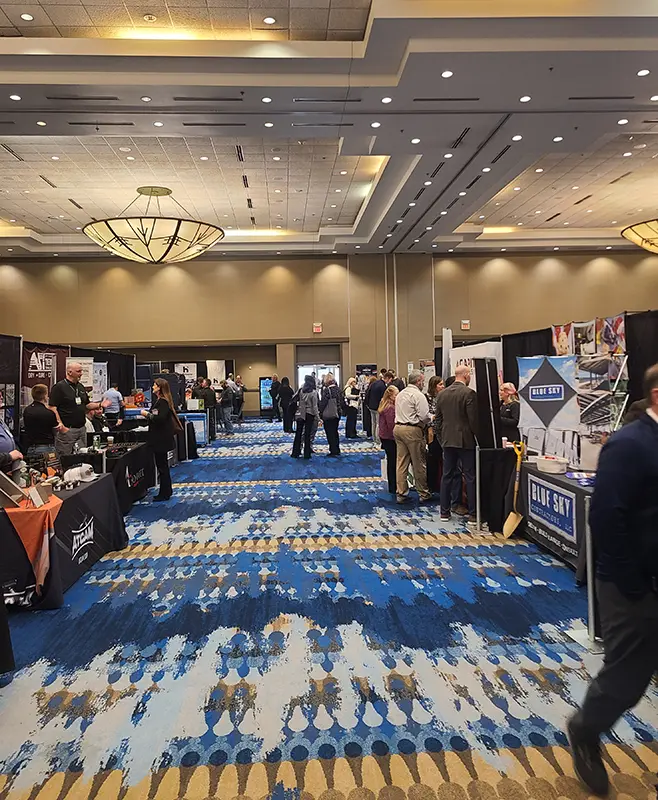
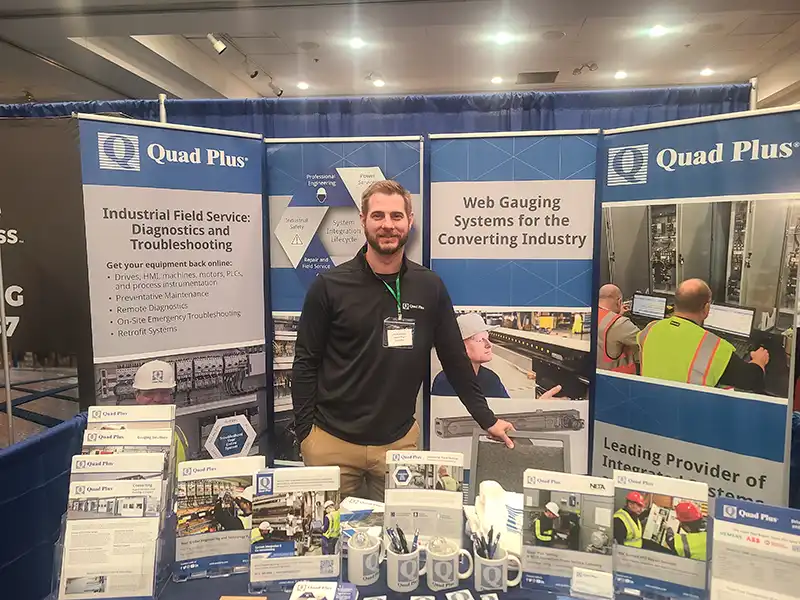
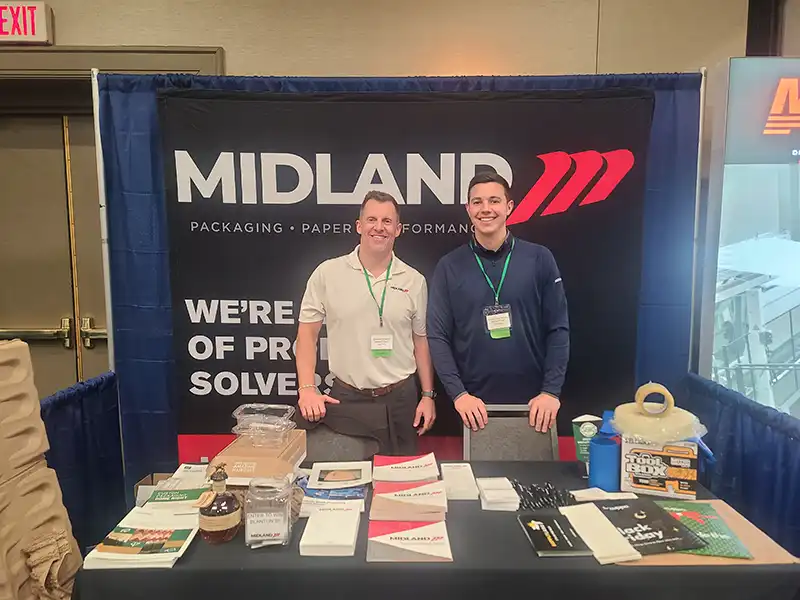
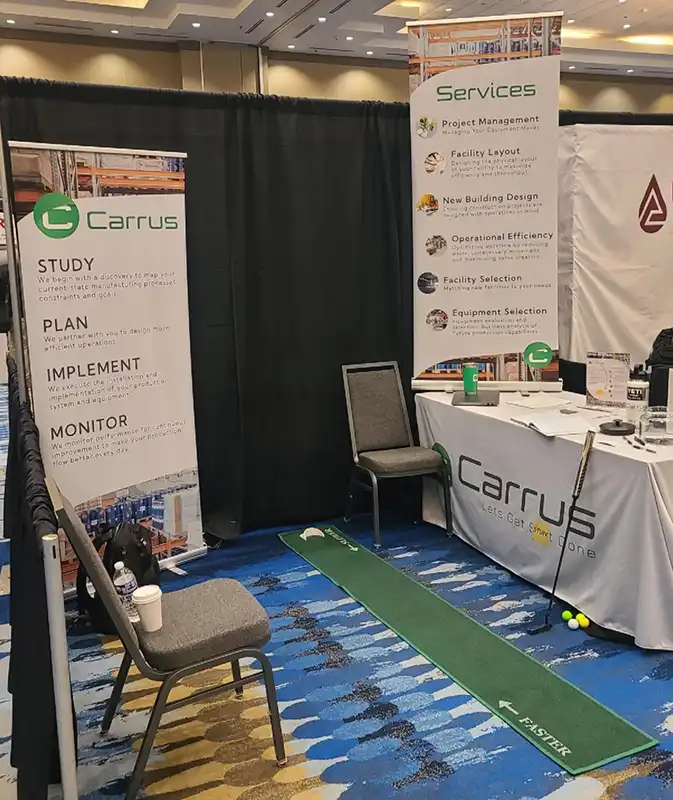
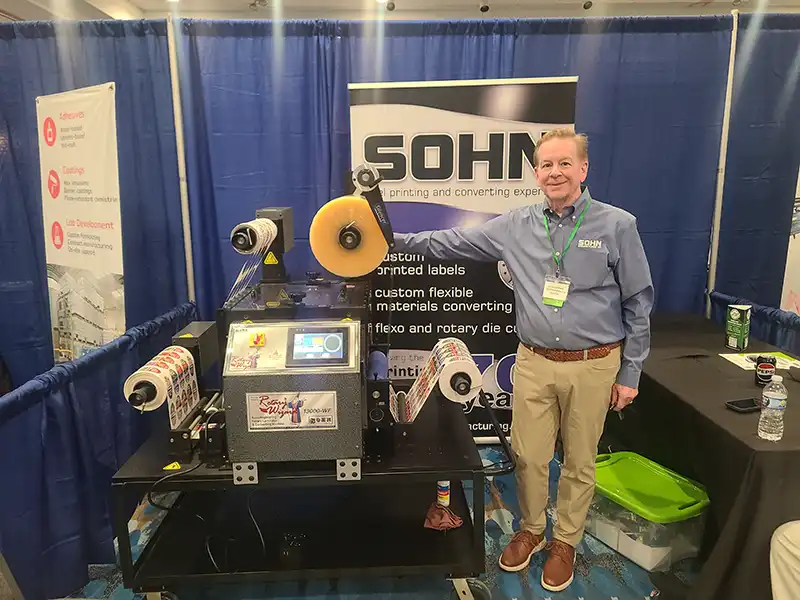
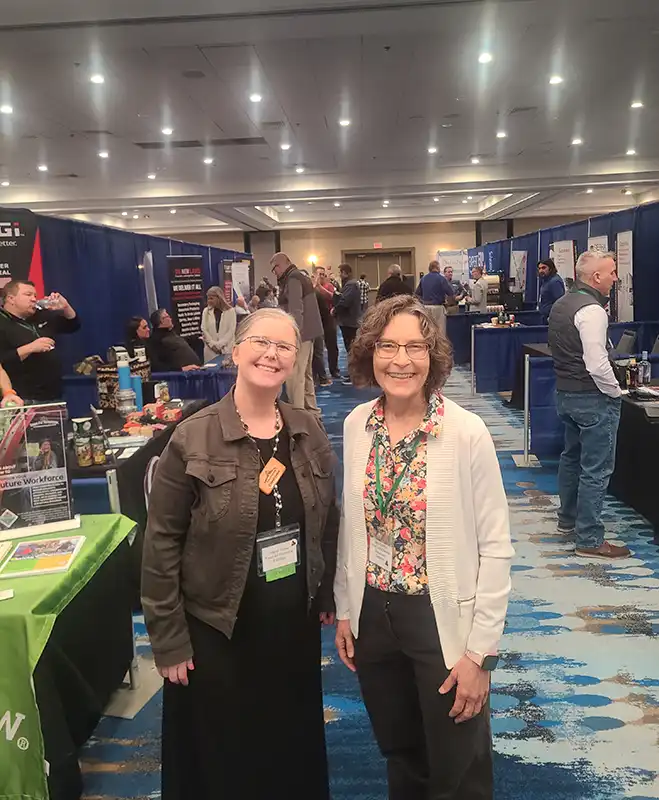
The 5P Showcase Expo was a tremendous event with 525 people registered for the event with 103 exhibitors. We want to thank all the attendees for making this an outstanding event. We want to thank all volunteers for their help to make this a successful event. We sent out a follow-up survey to get your feedback to continually improve and make the expo more successful. We continue to grow and improve year after year.

We had many exhibitors from the Paper and Converting Industries at the event. The Wisconsin Paper Industry is an industry leader in Paper Production especially in Specialty Papers, Tissue, and Packaging Papers. The Wisconsin Paper Converting Industry is the USA leader in Converting with over three hundred plus converters including companies with in-house converting equipment. We had outstanding companies making converting and packaging equipment.

Thanks,
Marty Ochs
Executive Director
Green Bay Innovation Group.

State of M&A Conference

Cornerstone Business Services, Inc. will sponsor the 8th annual State of M&A Conference on April 28 at the Oneida Casino Hotel in Green Bay.

cornerstone business services

The event includes insights from industry experts, keynote presentations, and exclusive breakout sessions. Attendees will have opportunities to network with business owners, financial professionals, and M&A specialists over breakfast, lunch, and cocktails.

Register now: https://www.cornerstone-business.com/event/state-of-ma-2026/

One-Day PFAS Conference

You are invited to a one-day PFAS conference on April 15

The Freshwater Collabora/ve and the Green Bay Innova/on Group (GBIG) invite you to Solving PFAS Together: Academia + Industry, a one-day mini conference on Wednesday, April 15, in Stevens Point.

This one-day event is a pre-conference option at the Wisconsin Lakes and Rivers Convention. It will foster thoughtful conversation among experts from academia and industry about research and development of alternative materials as well as PFAS remediation and filtration methods.

Freshwater Collaborative of Wisconsin

Keynote speaker Dr. Erin Bulson, geologist and environmental engineer in disposal operations support at Waste Management, will set the stage for conversations that bridge academic and industrial worlds. Attendees will participate in facilitated small group discussions throughout the day.

WHO SHOULD ATTEND:

  • Manufacturers or developers of alternative materials to replace PFAS
  • University faculty and staff researching alternative materials to replace PFAS
  • Environmental consultants who clean up PFAS and manufacturers of products used to identify and clean up PFAS
  • University faculty and staff researching products used to identify and clean up PFAS
  • A maximum of 56 attendees.

WHEN: April 15, 9 a.m.-4 p.m.
WHERE: Holiday Inn Convention Center, Stevens Point
COST: $100 for the full-day workshop

Lunch is included thanks to a sponsorship from GBIG. When you register, add the Wednesday Lunch option and use promo code WEDLUNCH on the payment page to have the lunch cost credited.

Attendees are invited to the welcome reception for the annual Wisconsin Lakes and Rivers
Convention at no additional cost.

QUESTIONS? Email freshwater-collab@uwm.edu.

Register Today

This workshop is limited to those in categories listed above. The Freshwater Collaborative will host a virtual follow-up meeting for the broader PFAS community, including government agencies and nonprofits, in early May.

First Business Bank: How AP Automation Save a Firm Labor Costs

First Business Bank logo

https://firstbusiness.bank/resource-center/how-equipment-financing-funding-forklift

When production can’t wait, the right financing makes all the difference. See how First Business Bank helped a manufacturer secure fast equipment financing to fund a critical forklift purchase and keep operations moving. A practical example of how to preserve cash flow while investing in growth.

https://firstbusiness.bank/resource-center/wisconsin-manufacturing-report

Get insights into the trends shaping Wisconsin’s manufacturing sector. The latest Manufacturing Report, sponsored by First Business Bank, highlights key challenges, opportunities, and economic outlook data specific to our region. A valuable resource for leaders planning for the year ahead.

https://firstbusiness.bank/resource-center/how-to-simplify-business-expense-management-credit-card

Managing expenses across teams and departments can get complicated fast. Learn how the right business credit card program can streamline tracking, improve controls, and reduce administrative burden. A simple way to bring more visibility and efficiency to your spending.

https://firstbusiness.bank/resource-center/benefits-deferral-programs-equipment-vendors

Deferral programs can be a powerful sales tool for equipment vendors and manufacturers. This article explains how offering payment flexibility can help close deals while supporting customers’ cash flow. A strategic advantage in competitive markets.

https://firstbusiness.bank/resource-center/how-ap-automation-saved-firm-labor-costs

Accounts payable doesn’t have to be manual and time-consuming. See how one company worked with First Business Bank to reduce labor costs and improve efficiency by implementing AP automation. A real-world example of how technology can strengthen your back office operations.

https://firstbusiness.bank/resource-center/how-to-get-fast-approval-business-equipment-financing

When you need equipment quickly, financing speed matters. This guide outlines what lenders look for and how to position your business for fast approval. Helpful tips to avoid delays and keep your projects on track.

Engineering Reliability for Today’s Manufacturing and What Comes Next

Introducing Access to the Green Bay Innovation Group Community

Manufacturing in Northeast Wisconsin has always been defined by discipline, ingenuity, and the ability to keep complex operations running under real-world constraints. Across the Paper, Pulp, Printing, Packaging, and Plastics (5P) industries, that challenge is intensifying. Facilities are being asked to support higher production demands, stricter safety expectations, aging infrastructure, and increasingly advanced digital and AI-enabled systems that place new demands on power and cooling.

That environment is where Access operates.

This article serves as an introduction to Access for the Green Bay Innovation Group (GBIG) community and as the starting point for an ongoing educational series focused on power, cooling, monitoring, and infrastructure reliability in modern manufacturing facilities.

Who We Are and Where We Come From

Access was founded in 1993 as a Wisconsin-based organization supporting critical infrastructure inside industrial and commercial facilities. From the beginning, our work has been rooted in the realities of operating environments. These are plants that cannot simply power down, systems that must be serviced safely while production continues, and teams that need defensible engineering decisions rather than generic recommendations.

Today, our headquarters is located in Neenah, Wisconsin, and our team supports facilities throughout Northeast Wisconsin and the surrounding region. Many of us work with the same plants year after year, which naturally shifts the focus from short-term fixes to long-term reliability, safety, and lifecycle planning.

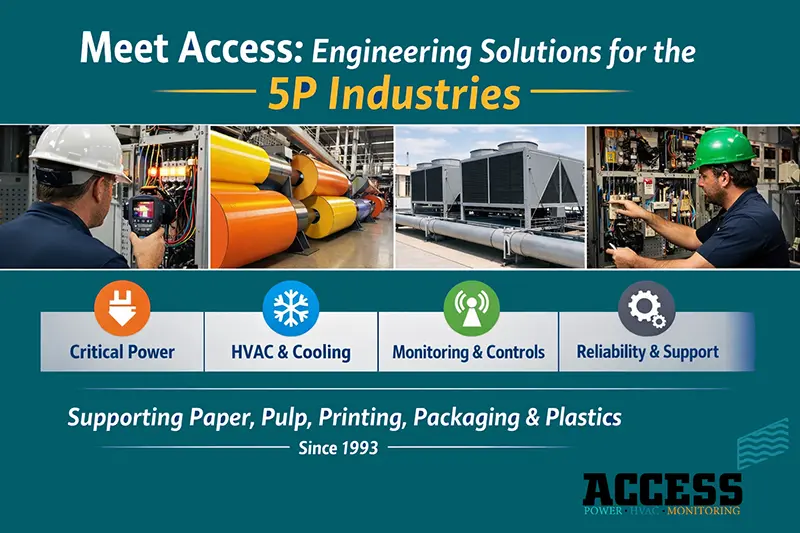
Engineering solutions for 5P industries

An Engineering-First Approach to Infrastructure

Access is best described as an engineering-first partner. We do not start with products or equipment. We start with questions.

  • How does this facility actually operate today?
  • Where are the real risks, whether electrical, thermal, operational, or safety-related?
  • How will today’s infrastructure decisions affect uptime, compliance, and maintainability five or ten years from now?

Our work generally falls into four closely connected areas.

Critical Power

Manufacturing facilities depend on electrical systems that must perform predictably during normal operation, maintenance events, and abnormal conditions. We work alongside plant and facility engineers to evaluate power distribution, power quality, power conditioning, backup strategies, and protective coordination. The objective is not simply redundancy. It is clarity around how systems behave under stress and where failure modes exist.

Critical Cooling

Cooling challenges are no longer limited to comfort or isolated equipment rooms. Controls, drives, automation systems, and compute-dense equipment generate heat levels that many legacy designs were never intended to handle. We help teams assess airflow, thermal capacity, and resilience, particularly in spaces that are being repurposed to support higher heat densities.

Monitoring and Controls

One of the most common gaps we see in manufacturing environments is visibility. Equipment may be operating, but teams often lack real-time insight into electrical loading, temperature, or environmental conditions. Monitoring and controls provide data that supports safer work practices, proactive maintenance, and better-informed capital planning.

Infrastructure Reliability and Lifecycle Support

Facilities evolve over time. Loads increase, processes change, and infrastructure installed decades ago is asked to support modern automation and digital systems. We help teams document the current state of their infrastructure, identify risk areas, and prioritize improvements in a practical and phased way that aligns with operational and budget realities.

Supporting the Infrastructure Behind AI and Advanced Computing

A growing part of our work involves helping manufacturers prepare for AI-driven systems inside industrial environments. While AI is often discussed at the software level, its physical infrastructure requirements are very real.

Advanced chips and compute platforms introduce higher power density, greater sensitivity to power quality, and thermal loads that can exceed traditional air-cooling limits. As a result, facilities are beginning to encounter liquid cooling approaches, advanced power conditioning, and tighter integration between electrical and mechanical systems.

These challenges are already appearing in pilot projects, inspections, and reliability reviews. Our role is to help facility teams understand what these technologies mean from an infrastructure standpoint, how they interact with existing systems, and how to support them safely and reliably in manufacturing environments that were not originally designed for this class of load.

Working Alongside Your Team

Access works collaboratively with facility and plant engineers, maintenance and reliability teams, and electrical and mechanical contractors. We see our role as a technical partner that helps align these groups around shared goals such as safe work practices, reliable systems, and clear documentation. In many cases, the most valuable outcome is not a single solution, but a shared understanding of how systems behave and where attention is best focused.

Addressing Real-World Manufacturing Challenges

Across the 5P industries, we consistently see the same pressures.

  • Uptime expectations with little tolerance for unplanned outages
  • Aging infrastructure supporting modern automation and digital systems
  • Increasing safety and compliance requirements
  • Limited maintenance resources, which makes proactive planning essential

Engineering-driven analysis and improved visibility help facilities navigate these challenges without overreacting or under-preparing.

Why We’re Contributing to GBIG

The Green Bay Innovation Group brings together leaders who care deeply about the future of manufacturing in this region. This article series is not intended to promote products or solutions. It is meant to share perspective, clarify standards, and provide practical insight that facility teams can apply regardless of vendor or approach.

Where Reliability Conversations Usually Begin

Many of the conversations we have with manufacturing teams start with a simple question: do we actually know where our infrastructure risks are today?

Sometimes the answer is yes. More often, the answer is unclear. As facilities evolve, loads increase, and new technologies are introduced, that uncertainty tends to grow quietly in the background.

Making those risks visible, understandable, and manageable is often the first step toward improving reliability and safety.

What’s Coming Next

In upcoming GBIG newsletters, we will explore why infrastructure reliability is becoming a competitive advantage in manufacturing, what recent changes to electrical maintenance standards mean for facilities, how electrical safety and uptime intersect, and how AI, monitoring, and advanced controls are changing infrastructure requirements.

Our goal is to support informed conversations and better decisions across the GBIG community.

Miraclon and W&H Strengthen Partnership with FLEXCEL NX Ultra 42 Solution Installation

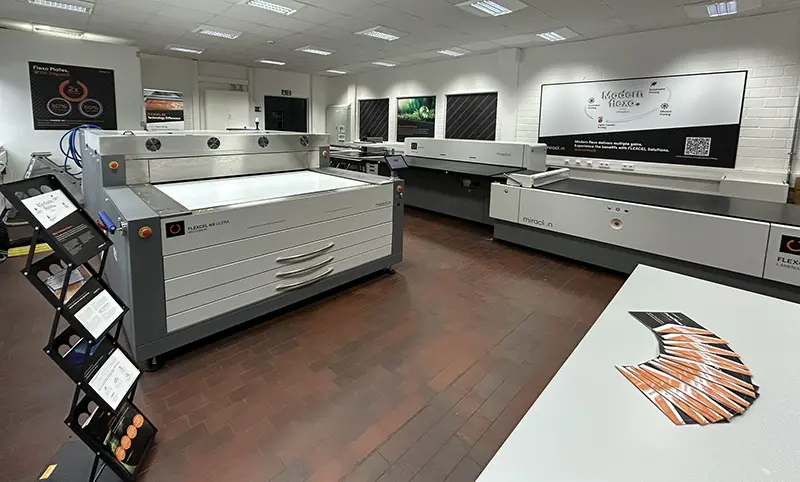
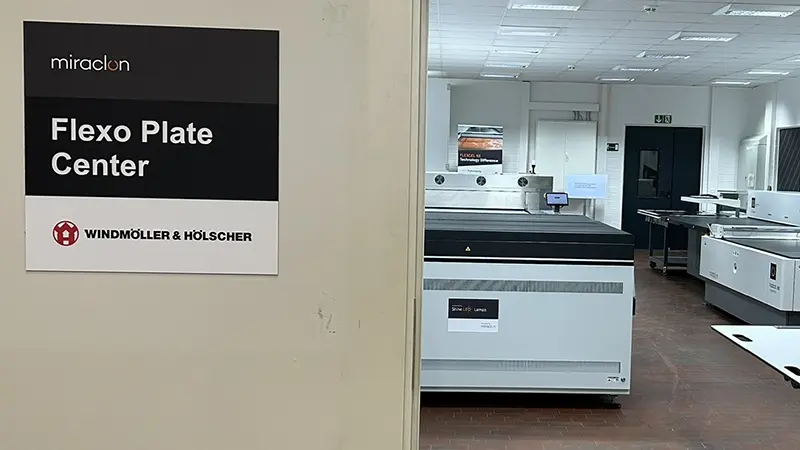
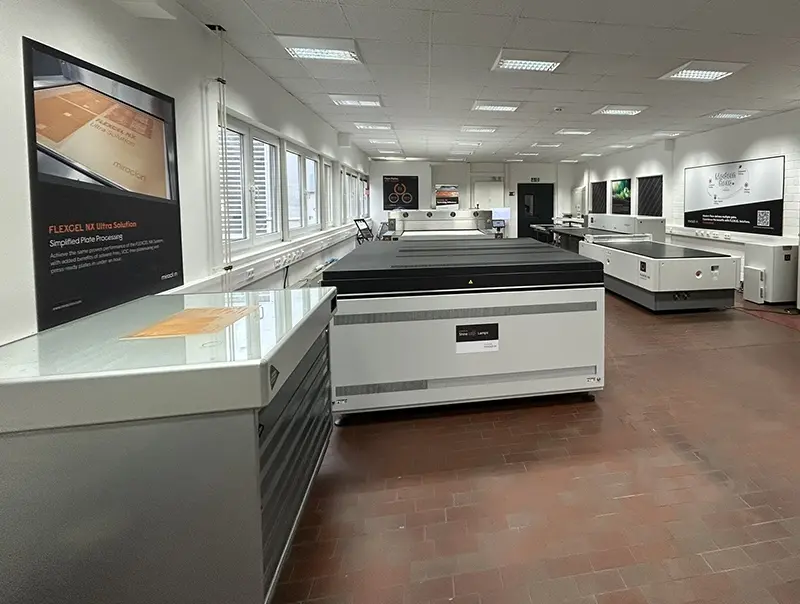
Miraclon has reinforced its longstanding partnership with Windmöller & Hölscher (W&H) through the installation of a new FLEXCEL NX Ultra 42 Solution at the W&H Technology Center in Lengerich, Germany. The new system replaces the previously installed FLEXCEL NX Ultra 35 Solution, giving W&H a largerformat, waterprocessed platemaking solution to demonstrate a broader range of realistic customer applications and press configurations, enabling visitors to see the full potential of modern flexo in a realworld environment.

Flexo Plate Center

“At W&H, our Technology Center plays a key role in showing converters how individual technologies come together to form an efficient and industrially scalable printing solution. In close partnership with Miraclon, we integrate leading platemaking technology into our press demonstrations to set the benchmark for end-to-end flexographic system performance.” said Frederik Petzold, Director, Technical Sales, Windmöller & Hölscher. “The FLEXCEL NX Ultra 42 Solution allows for improved flexibility for wideweb printing, and the plate performance required to run highly controlled, datadriven press demonstrations. Its consistent multi-form plate surface patterning and stable ink transfer characteristics allow us to showcase our presses operating at optimal efficiency — highlighting wider process windows, faster stabilization on press, and the repeatable print quality converters expect when evaluating advanced flexo technologies.

“Our collaboration with W&H remains a powerful platform to demonstrate the realworld impact of FLEXCEL NX Technology and modern flexo,” said Grant Blewett, Chief Commercial Officer at Miraclon. “The FLEXCEL NX Ultra Solution achieves the same proven on-press performance of the FLEXCEL NX System, with the added benefits of solvent-free and VOC-free platemaking that delivers consistent ink transfer, stable onpress behavior and highly predictable results. Seeing it in action at W&H provides a compelling example of how modern flexo delivers efficiency, sustainability, and production control for converters around the world.”

To further support high quality demonstrations, W&H has also added a FlexPose 420 ECDLF exposure unit from Glunz & Jensen, equipped with a Shine LED Lamp Kit, innovated by Miraclon. The Shine LE Lamp Kit provides stable, uniform UV output for highly consistent plate exposure, eliminating variability from aging mercury lamps. Its instanton LED design improves productivity and reduces energy use, while delivering cleaner highlights, stable dots, and predictable on-press performance.

About Miraclon

At Miraclon, we have one clear mission – to transform flexographic printing in partnership with our customers by delivering leading technology and expertise that enables them to achieve their efficiency, sustainability and quality goals. Our unique, fully integrated FLEXCEL plate solutions eliminate production variables and deliver the 100% precision required for optimized ink transfer: the foundation of modern flexo printing. Our dedicated team helps customers achieve business success by realizing the full potential of their investment in Miraclon technology. Find out more at www.miraclon.com, and follow us on LinkedIn and YouTube.

Green Bay Innovation Group

Bringing Green Bay Companies Together. Green Bay Innovation Group is committed to building an authentic networking experience where innovation can thrive.

Contact Information

Phone: 608-698-3333 
martinpochs@gmail.com
Subscribe to Newsletter


© 2021 Green Bay Innovation Group

LinkedIn
Share