Menomonee Falls, WI – Enercon Industries Corporation is pleased to announce the promotion of Ryan T. Schuelke to President / Chief Sales Officer. The promotion expands Schuelke’s responsibilities which as Chief Sales Officer includes oversight of Enercon’s Cap Sealing and Corona, Plasma, & Flame Surface Treating Sales teams, as well as Enercon’s Parts & Customer Support Teams.
“This is an extraordinary time in Enercon’s history. As we approach our 50 th year in business our customers are placing their trust in us with record number of orders for our solutions. Ryan’s vision and strategic leadership is a key reason for this success. He personifies our commitment to our customers and is the ideal person for the President’s role as we make significant investments to prepare the business for future growth,” says Tim Nimmer Enercon Co-CEO.
In his 25 plus years at Enercon Schuelke has been a driving force behind product development, optimizing organizational structure, & implementing new technologies to scale Enercon’s ability to deliver innovative solutions and remarkable support its customers.
Schuelke says, “In the past six months we’ve added exceptional talent to our industry leading team and I’m really excited about the future of Enercon. Our family ownership continues to invest in our facilities, people & technologies to ensure our employees are empowered to exceed the expectations of our customers.
It’s both gratifying and rewarding to become President of Enercon. I am extremely proud to be part of this organization as it is the perfect blend of a high performing business focused on its customers while retaining its family values and culture.”
A native of Milwaukee, Ryan earned his Bachelor of Science in Computer Sciences from the University of Wisconsin and his MBA from the University of Wisconsin – Milwaukee.
As a plant manager or engineer, you understand how important web tension control is for your production process. If the web tension is off, it can lead to material waste, machine damage, and general frustration. But what can you do to improve web tension control? Let’s take a look at some tips and techniques for ensuring better web tension control in your plant.
Start With Your Drive System
The drive system is responsible for transferring power from the motor to your rollers and other components of your machine. If your drive system isn’t working correctly, it can cause problems with web tension control. To ensure proper web tension control, make sure that all components are operating smoothly and efficiently. This includes checking belts and pulleys for any signs of wear or tear and making sure that the motor is running at its highest efficiency level. Additionally, if you have an older system with mechanical drives, consider switching to a newer servo-driven system which will give you more precise control over the speed and torque of your machine.
Calibrate Your Sensors Regularly
Sensors are an integral part of any setup that deals with web tension control as they measure the actual force being applied by the rollers on the material moving through them. Without regularly calibrating these sensors—which should be done at least once per month—you won’t be able to accurately measure and adjust the amount of force being applied by each roller. Additionally, sensors should also be checked for accuracy after any maintenance work has been done on them so that you know you’re getting accurate readings every time.
Implement Automation Where Possible
By utilizing automated systems such as PLCs or SCADA systems, you can take much of the guesswork out of web tension control. Automated systems allow you to closely monitor and adjust web tensions in real-time while providing detailed reports on each adjustment made so that future adjustments can be made more quickly and accurately. Additionally, automation makes troubleshooting easier as data points are clearly visible which helps pinpoint any issues quickly.
Takeaways for Optimizing Control
Improving web tension control in your plant is essential for ensuring quality products and avoiding costly production delays due to machine damage or other issues related to incorrect force application on materials passing through machines. Fortunately, there are several steps that plant managers and engineers can take towards improving their current setup including starting with their drive system, regularly calibrating their sensors, and implementing automation where possible. By taking these steps now, you will save yourself both time and money in the long run.
Being immersed in the world of flexible packaging through his brothers and dad at a young age, Peter Emenecker started his career in plastic packaging before a career in the paper tube and core industry spanning two decades.
This experience eventually led him to his role at K&L Services, a Paper Dimensions company.
In his small hometown of New London, Wisconsin, his introduction to the industry mainly consisted of cheese and meat packaging where he worked during the summers in high school and following his graduation from St. Norbert College before going in his own direction.
Emenecker joined a small tube and core company, Centracor, Inc., where he worked his way up the ladder and maintained an executive-level leadership role following The Newark Group’s acquisition in 2002. These roles combined with Emenecker’s positions at Wisconsin Film & Bag, Summer Industries, and Dynamic Drinkware led to his present leadership as managing partner and president at K&L Services in 2021.
K&L Services works with world-class manufacturers, niche specialists and start-up marketers to understand custom slitting, rewinding, packaging, and inventory management.
When the previous owners retired, Emenecker wanted to put his understanding of the market to good use and knew K&L Services was the perfect fit. The goal is to continue K&L Services’ good reputation and bring the company further into the 21st century by incorporating what he has learned in his leadership roles.
“I grew up in flexible packaging but I know there are opportunities to use paper in some of those areas,” Emenecker says. “Our company has started to pivot towards that work and more food packaging.”
The current work environment was enhanced to focus on the employees, customers and people who comprise the K&L Services community to take a step in propelling the future forward.
“The focus of the last two years has been on staff development and recruitment, machine upgrades and safety improvement,” says Trista Rahn, vice president of sales. “We are finally getting everyone on board and in the right seats so the plan is to continue to discover who we are and define what business is the best fit for us. As we do this, we will see remarkable growth.”
Whether Emenecker was learning the ropes of being a lab technician in high school or leading a company, what started as dinnertime conversations with his dad and brothers turned into skills used in a fulfilling career bettering the paper and packaging industry.
GREEN BAY INNOVATION GROUP PRESENTS: THE FUTURE OF PLASTIC RECYCLING NEEDS MORE EFFECTIVE AND EFFICIENT METHODS.
The EVENT will be held at the JOHNSONVILLE TAILGATE VILLAGE BY LAMBEAU FIELD and a morning Tour of CONVERGEN ENERGY 600 Liberty St. Green Bay, WI.
DATE: April 12, 2022 SCHEDULE OF KEYNOTE SPEAKERS:
9:00 – 10:30 a.m. – Tour Convergen Energy in Green Bay hosted by Ted Hansen – President
11:00 a.m. – Registration and Check In at Johnsonville Tailgate Village by Lambeau Field
12:00 -1:15 p.m. – Lunch with Doug Peckenpaugh BNP Group Publisher of Packaging Strategies and Flexible Packaging. He is the Manager of Converters Expo 2023.
1:15 p.m. Introduction – Marty Ochs the Executive Director of the Green Bay Innovation Group
1:30 – 2:30 p.m. – George Huber at UW Madison Engineering & (CUWP) Chemical Upcycling of Waste Plastics Director.
2:30 – 2:45 p.m. Break
2:45 – 3:30 p.m. John Elliot and Justin Bowers from PRI – Plastics Recycling Systems
3:45 – 4:15 p.m. – Ted Hansen President of Convergen Energy, Inc. in Green Bay
4:15 – 4:45 p.m. – Evan Arnold Vice President Business Development of Glenroy, Inc.
5:00 – 6:00 p.m. – Networking
6:00 pm.: Kick Off of Converting Expo at Lambeau Field.
To register, go to: www.greenbayinnovationgroup.com EVENTS and sign up. The cost is: $40.00 which includes lunch and the tour.
The Green Bay Innovation Group welcomes George W. Huber from the UW Madison Engineering and Director of the Center for Chemical Upcycling of Waste Products (www.cuwp.org) as our guest speaker on April 12, 2023 presenting: The Present and Future of Plastic and Flexible Packaging Recycling plus 4 other speakers. To register, go to: www.greenbayinnovationgroup.com Events – The Future of Plastics Recycling Needs More Effective & Efficient Methods.
GBIG would like to introduce you to the OUTSTANDING individuals and Universities that are participating in the research of the STRAP PROJECT plus the update report: Recycling of Plastic Films through Solvent Targeted Recovery Precipitation.
Dr. Aurora del Carmen Munguia-Lopez: She is a postdoctoral researcher in the Department of Chemical and Biological Engineering at the University of Wisconsin-Madison. Currently, she participates in the Chemical Upcycling Waste Plastics(CUWP) center. Specifically, she works on developing computational frameworks for the economic and environmental analysis on the solvent-targeted recovery and participation (STRAP) process.
Zhuo Xu: Michigan Technological University Torrefaction & Pyrolysis of MSW Waste to energy a PHD Mechanical Engineering. He is currently a postdoctoral researcher in the Department of Chemical & Biological Engineering at the University of Wisconsin-Madison. His research focuses on upscaling the Solvent Targeted Recovery and Precipitation (STRAP) technology to recycle pure polymers from waste streams.
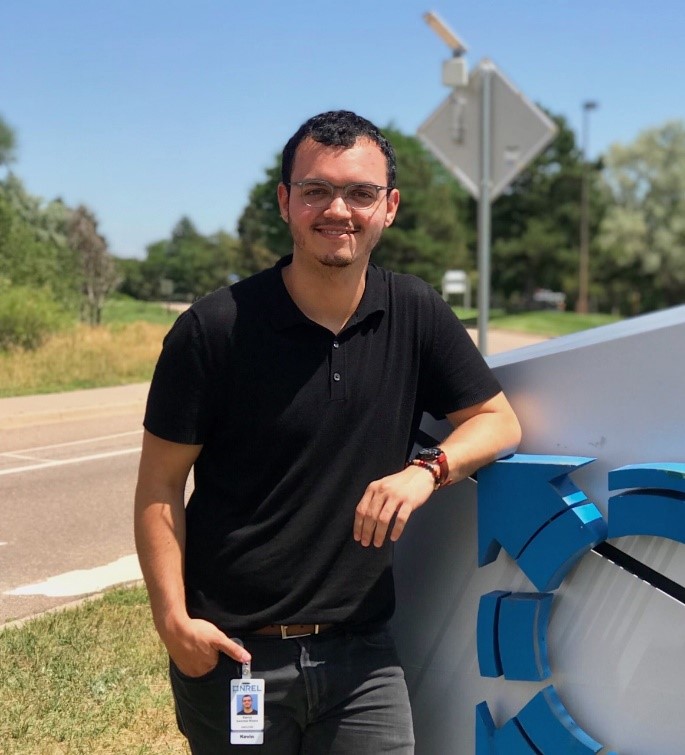
Kevin L. Sanchez-Rivera: Chemical Engineering PhD student in the Chemical and Biological Engineering Department at the University of Wisconsin Madison. His current work with Prof. George Huber is focusing on STRAP. Authored: Recycling of Multilayer Plastic Packaging Materials by Solvent-Targeted Recovery and Precipitation.
Kevin Nelson – University of Wisconsin-Madison BSChE Chemical Engineering graduate. He is a senior engineering fellow at Amcor and advisory board member, and UW Wisconsin College of Engineering alumni. Amcor is a global packaging company with over 5,000 employees working in Wisconsin, aiming to have packaging products recyclable and reusable by 2025.
Dr. Aurora del Carmen Munguía-López is a postdoctoral researcher in the Department of Chemical and Biological Engineering at the University of Wisconsin-Madison. She holds B.Sc. and M.Sc. degrees from the Technical Institute of Celaya and a Ph.D. from the University of Michoacan in Mexico. Her research interests include mathematical optimization, sustainability, social justice, and process modeling. Aurora currently participates in the Chemical Upcycling of Waste Plastics (CUWP) center. Specifically, she works on developing computational frameworks for the economic and environmental analysis of the solvent-targeted recovery and precipitation (STRAP) process.
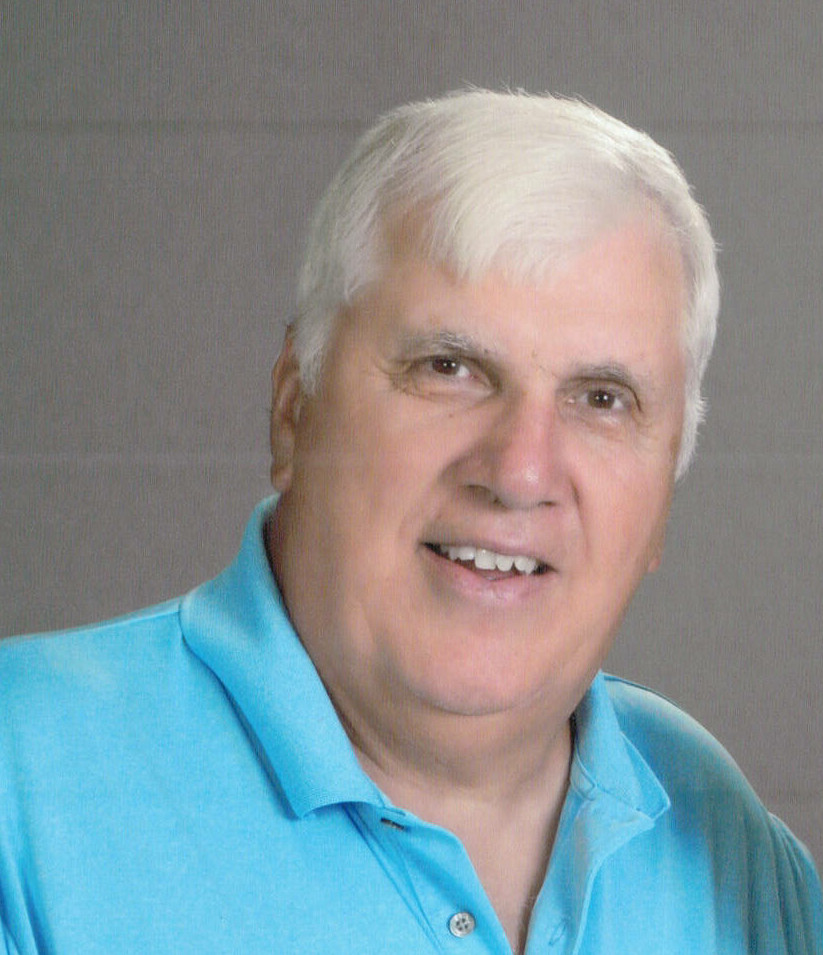
George Willis Huber
George Willis Huber is the Richard Antoine Professor of Chemical Engineering at University of Wisconsin-Madison. His research focus is the design of disruptive technologies for the recycling of waste plastics and working to bring these technologies to market. He is the director of the $12.5 million Center for Chemical Upcycling of Waste Plastics (CUWP).
He is co-founder of two companies that are commercializing technology he developed: Anellotech (www.anellotech.com) and Pyran (www.pyranco.com). He has been named a “highly-cited researcher” in the area of chemistry, an award given to the top 1% most cited chemists. He has published over 230 papers, more than 20 patent applications, and received over 40,000 citations.
Professor Huber has received visiting professorships from the Chinese Academy of Sciences in 2015 (at Dalian Institute of Chemical Physics), from the Royal Netherlands Academy of Arts and Sciences in 2019-20 and the ExxonMobil Visiting Chair Professor at National University of Singapore in 2019. He obtained his Ph.D. in Chemical Engineering from University of Wisconsin-Madison (2005). He obtained his B.S. (1999) and M.S. (2000) degrees in Chemical Engineering from Brigham Young University.
Zhuo Xu
Zhuo Xu received his M.S. and Ph.D. degrees in Mechanical Engineering at Michigan Technological University, focusing on the study of removing hazardous compounds from wastes through thermal treatment. Zhuo holds a B.S. degree in Automobile Engineering from Tongji University, China. He is currently a postdoctoral researcher in the Department of Chemical & Biological Engineering at University of Wisconsin-Madison. His research focuses on upscaling the Solvent Targeted Recovery and Precipitation (STRAP) technology to recycle pure polymers from the waste stream.
Kevin L. Sánchez-Rivera
Kevin L. Sánchez-Rivera graduated from the University of Puerto Rico-Mayagüez in 2019 and is currently a PhD student in the Chemical and Biological Engineering Department at the University of Wisconsin–Madison. His current work with Prof. George Huber focuses on developing the Solvent-Targeted Recovery and Precipitation (STRAP) technology to recycle different types of multilayer plastics, as part of the efforts of the Chemical Upcycling of Waste Plastics (CUWP) center.
Kevin Nelson
Kevin Nelson received a BS degree in Chemical Engineering from UW-Madison. Currently, he is a Senior Fellow in Amcor’s Global Core R&D Group where his research focuses on understanding process/material and product/package interactions.
Amcor is a global packaging company that develops and produces flexible packaging, rigid containers, specialty cartons, closures and services for food, beverage, pharmaceutical, medical-device, home and personal-care, and other products.
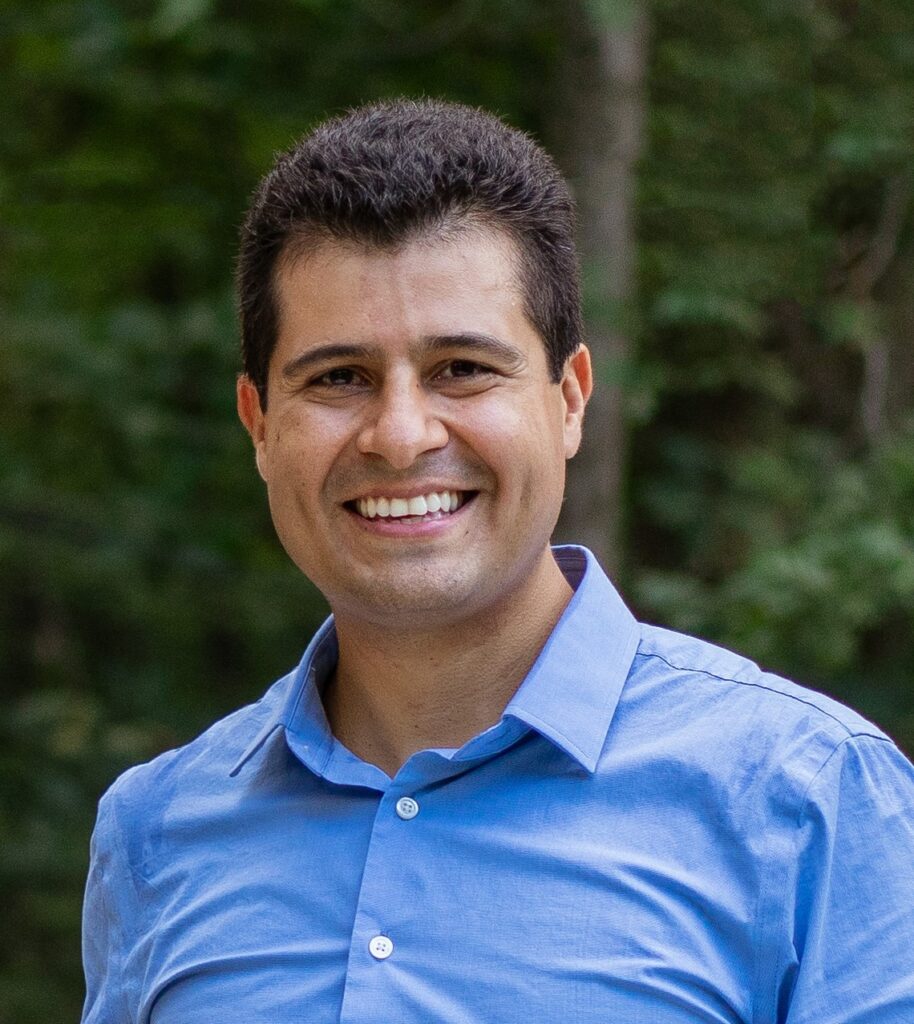
Dr. Horacio Aguirre-Villegas
Dr. Horacio Aguirre-Villegas is a Scientist at the Nelson Institute for Environmental Studies at the University of Wisconsin-Madison. His research lies at the intersection of climate change, energy, waste management, and food production. He has extensive experience evaluating renewable energy systems and integrating waste-to-energy technologies to increase environmental sustainability. Over the last ten years, he has worked closely quantifying the environmental impacts of conventional and organic dairy systems including greenhouse gas emissions, ammonia emissions, resource use, and nutrients fate. More recently, he has joined the Chemical Upcycling of Waste Plastics (CUWP) project and is working to better understand current collection of recyclable materials and estimating the impacts of different plastic waste management pathways.
Dr. Aguirre-Villegas received his doctorate in Biological Systems Engineering from the University of Wisconsin-Madison, and has a Master Degree from the Chemistry Institute of Sarria in Barcelona, Spain.
It is often said that we live in the plastics age. Plastics are consumed across all sectors (clothing, medicine, construction, food packaging, etc.) as plastics are versatile, low cost, and easy to manufacture (Singh et al., 2017). However, the final disposal of plastics is a global concern. If plastics leak into the environment, some microplastic could break away from larger plastic products, and move through air and water systems, finding their way into the food chain and posing risks to biodiversity, food availability, and human health (Li et al., 2016). One of the main priorities of governments and cities across the globe is to address these issues by reducing the production of virgin plastics and limiting the generation of waste plastics through recycling. The current plastic recycling industry is primarily based on mechanical recycling of rigid and clean materials that are easier to process such as beverage bottles (made from polyethylene terephthalate, PET), and milk jugs (made from high density polyethylene, HDPE). Most plastic materials, however, are contaminated with other plastics, dyes/inks, fillers, and other materials. Mechanical recycling often does not produce high quality plastics from these contaminated materials, which is the case for most flexible packaging containers (Al-Salem et al., 2009). Flexible plastics, like plastic bags, account for over 35 % of the plastics produced in 2015 (UNEP, 2018) and are the most used material for packaging globally (Figure 1). Unfortunately, flexible plastic materials usually end up in open dumps, landfills, or are incinerated after use since they cannot be easily mechanically recycled, resulting in a series of cascading environmental impacts. Figure 1 shows the breakdown of packaging by material type detailing the demand of rigid and flexible plastic packaging.
Figure 1. Global demand of packaging materials in 2019 (adjusted from Statista, (2022)) detailing the demand of rigid plastic packaging (for 2017 based on Ceresana, (2019)) and flexible plastic packaging (for 2017 based on Grand View Research, (2018)).
Plastic packaging materials, in the form of multilayer films, are mixtures of several and different plastic layers which are combined to achieve specific properties that cannot be provided by single plastic layers. Combining different layers of plastics results in stronger and impermeable materials with unique properties that help preserve food quality and lifetime (Figure 2). The multilayer packaging materials allow less material to be used which reduces greenhouse gas emissions. These multilayer plastics can also help reduce food waste through smaller portion packaging that can be consumed more efficiently. The properties of these multilayer films cannot be achieved with one single plastic material. The advantages of multilayer films are numerous, but multilayer plastics cannot be mechanically recycled easily because the different layers are chemically incompatible. One promising technology to effectively recover these layers is known as solvent-targeted recovery and precipitation (STRAP), which breaks down multilayer films into their original plastic building blocks (Walker et al., 2020).
Figure 2. Graphical representation of the different layers of multilayer films and properties/attributes of each material. PET: polyethylene terephthalate, EVOH: ethylene vinyl alcohol, PE: polyethylene.
Recycling Plastic Films through STRAP Technology Basics
Multilayer films are among the most challenging plastic wastes to recycle, but the STRAP technology can recover the individual plastic components in multilayer plastic materials. In general terms, STRAP “washes” multilayered films several times with solvents to separate the multiple components mixed in plastic films into single components, known as resins (Figure 3). These resins can then be reused to make more of the product from which they originated, or they can be used to manufacture products with higher value or quality (known as upcycling). There are different multilayer materials that can be processed with STRAP including clear rigid multilayer films used in food containers, printed multilayer films used for food packaging, mixed multilayer plastic waste, disposable face masks, and other plastic waste collected along with municipal solid waste (MSW). For more information on the technical details of the STRAP process, the reader can refer to (Walker et al., 2020).
Figure 3. Production of single layer films from multilayer films through STRAP.
Showing the Scalability of STRAP
The current limitation of STRAP is that our process only produces small quantities of final material, less than 0.11 kilograms (0.25 pounds) per week. To make this technology commercially viable, larger quantities of materials that plastics converters require in production need to be manufactured. To demonstrate the STRAP technology at a larger scale, a process development unit (PDU) was designed and tested to produce 25 kilograms (55 pounds) per hour of recycled resins from waste flexible and rigid plastics. Figure 4 shows a simplified STRAP diagram featuring the recovery of high purity plastic resins from mixed plastic waste or flexible plastics.
Figure 4. Simplified STRAP process flow diagram.
The first step in the STRAP process is to shred the as-received mixed plastic waste into smaller size particles that are uniform and small/light enough to move continuously and steadily (or flow) in the reactor tanks. After shredding, the smaller plastic particles are fed into a specially designed-dissolution tank. A solvent selectively dissolves a targeted plastic from the mixture. The dissolved plastic (liquid/slurry form) and non-dissolved plastic (solid form) are separated using filtration. The non-dissolved plastic is transferred to a solvent recovery system while the dissolved plastic is pumped into a precipitator. In the precipitator, the solvent is cooled, and the plastic precipitates; that is, it turns into a solid. The plastic is then sent to a solvent recovery system for a second time. The solvent is completely recovered and re-used in the process. The recovered plastic is then extruded into pellets and sold to plastic convertors. The amount of solvent in the pellet is controlled during the drying and extrusion processes.
Economics and Environmental Benefits of STRAP
The STRAP process can produce high quality resins at costs comparable to the virgin resins, according to detailed process models based on our experimental data. The STRAP process has 60 to 70 percent lower greenhouse gas (GHG) emissions than producing the virgin polymer. Figure 4 shows the emissions to recover polyethylene via STRAP from a multilayer food packaging film vs emissions of virgin packaging made from petroleum. All energy (electricity, steam, natural gas, etc.) and material (e.g., water, solvents, other chemicals) inputs were evaluated from extraction of raw materials to production of polyethylene at the plant for both polyethylene products (STRAP vs petroleum). Figure 4 shows that the total GHGs of extracting polyethylene via the STRAP process (0.7 kilograms of carbon dioxide equivalents per kilogram of polyethylene) are 68% lower than the impacts of producing polyethylene from fossil sources (2.2 kilograms of carbon dioxide equivalents per kilogram of polyethylene).
Figure 5. Climate change impacts from the STRAP process and the production of polyethylene (PE) from fossil fuels.
There are several other environmental benefits from STRAP. These include eliminating undesirable end-of-life scenarios like disposal of mixed plastic waste in landfills, incineration, creation of micro and nano plastic contaminants, and pollution of oceans.
Initiatives to Install the First STRAP Commercial Plant
The Green Bay and Northeastern Wisconsin area is a major hub for flexible packaging, label production, printing, and associated plastics industries and constitutes a natural location to develop the first STRAP commercial plant . Wisconsin ranks 8th in the nation in terms of plastics industry employment with over 43,000 people working in this sector and a direct plastic’s payroll of US$2.3 billion. This leadership is even higher (3rd in the nation) for flexible packaging products with over 25,000 people currently employed with projected 9% growth in the next 10 years (Plastics Industry Association, 2023). For example, Amcor, one of the largest packaging companies in the world, has 17 facilities in Wisconsin. Many companies in the food industry use plastic products, which generate billions of dollars annually. In addition, there are numerous local, national, and international manufacturing companies in Northeastern Wisconsin that make equipment to support the plastic and flexible packaging industries. As a leader in both production and consumption of flexible packaging products, Wisconsin has an enormous potential to host the first STRAP commercial plant, maximizing the efficiency in terms of material availability and transport of waste plastic multilayer films and recovered resins. Moreover, the University of Wisconsin-Madison and the University of Wisconsin-Stout have well-established programs in plastics and packaging and are currently doing outstanding research in plastics and STRAP.
Summary
Plastic waste generation has been increasing over the years, as the recycling rate for plastics is low compared to other materials. Moreover, conventional mechanical recycling methods are not technically or economically feasible for many multilayered plastic films, which are the main materials used for food packaging. The solvent-targeted recovery and precipitation (STRAP) technology breaks down the mixed plastic waste and recovers high-quality pure plastic resins. STRAP can process various types of plastic wastes including printed multilayer films used for food packaging, mixed multilayer plastic waste, disposable face masks, and other plastic waste collected along with municipal solid waste. A process development unit is being built to demonstrate this technology at a larger scale.
The STRAP process can economically recover polyethylene from multi-layer film waste at scale.
The environmental analysis shows that the recovery of polyethylene via the STRAP process generates fewer greenhouse gas emissions than the production of virgin polyethylene from petroleum.
Li, W. C., Tse, H. F., & Fok, L. (2016). Plastic waste in the marine environment: A review of sources, occurrence and effects. Science of the Total Environment, 566–567, 333–349. https://doi.org/10.1016/j.scitotenv.2016.05.084
Singh, N., Hui, D., Singh, R., Ahuja, I. P. S., Feo, L., & Fraternali, F. (2017). Recycling of plastic solid waste: A state of art review and future applications. Composites Part B: Engineering, 115, 409–422.https://doi.org/10.1016/j.compositesb.2016.09.013
Walker, T. W., Frelka, N., Shen, Z., Chew, A. K., Banick, J., Grey, S., Kim, M. S., Dumesic, J. A., van Lehn, R. C., & Huber, G. W. (2020). Recycling of multilayer plastic packaging materials by solvent-targeted recovery and precipitation. Science Advances, 6(47).https://doi.org/10.1126/SCIADV.ABA7599/SUPPL_FILE/ABA7599_SM.PDF
George Huber UW Madison Chemical Engineering and Director of CUWP (www.cuwp.org) will be our GUEST Speaker on April 12, 2023, introducing STRAP to the Flexible Packaging, Plastics, Printing and Converting Industries. One of the largest sectors for plastic waste is the packaging industry which accounted for more than 35% of the plastics produced. These plastic packaging materials come in the form of multilayer films, which are composites of distinct polymers that are combined to achieve specific properties that cannot be provided by single plastic layers and impossible to recycle through mechanical recycling ending up in landfills!
To register, go to: www.greenbayinnovationgroup.com EVENTS. The cost is $40.00 including a tour of Convergen Energy, lunch at Johnsonville Tailgate Village followed by 4 guest speakers!
The Center for Chemical Upcycling of Waste Plastics (www.cuwp.org) is developing a technology that allows the recycling of flexible and rigid multilayer and mixed plastic wastes.
This technology is called solvent-targeted recovery and precipitation or STRAP. STRAP uses non-toxic solvents to produce food-grade resins from previously unrecyclable materials. STRAP has been demonstrated in the laboratory and is now being scaled up. A larger 25 kg/hr pilot system is being built at Michigan Tech University and will be complete at the end of 2023. We are working with several Wisconsin plastic converters (Amcor, CNG, ePac, Placon and others) to convert their plastic wastes into high quality resins. The pilot system will provide enough material to plastic converters to qualify them in several applications. After we successfully operate the pilot system we hope to design the first commercial facility in Green Bay, WI. This facility will produce high-quality PE and PP resins from plastic wastes and sell them back to plastic converters.
Bio of George Willis Huber
George Willis Huber is the Richard Antoine Professor of Chemical Engineering at the University of Wisconsin-Madison. His research focus is the design of disruptive technologies for the recycling of waste plastics and working to bring these technologies to market. He is the director of the $12.5 million Center on Chemical Upcycling of Waste Plastics (CUWP). He is co-founder of two companies that are commercializing technology he developed: Anellotech (www.anellotech.com) and Pyran (www.pyranco.com). He has been named a “highly-cited researcher” in the area of Chemistry, an award given to the top 1% most cited chemists. He has published over 230 papers, more than 20 patent applications, and received over 40,000 citations Professor Huber has received visiting professorships from the Chinese Academy of Sciences in 2015 (at Dalian Institute of Chemical Physics), from the Royal Netherlands Academy of Arts and Sciences in 2019-20 and the ExxonMobil Visiting Chair Professor at National University of Singapore in 2019. He obtained his Ph.D. in Chemical Engineering from the University of Wisconsin-Madison (2005). He obtained his B.S. (1999) and M.S.(2000) degrees in Chemical Engineering from Brigham Young University.
The EVENT will be held at the JOHNSONVILLE TAILGATE VILLAGE BY LAMBEAU FIELD and a morning Tour of CONVERGEN ENERGY 600 Liberty St. Green Bay, WI.
DATE: April 12, 2022
SCHEDULE OF KEYNOTE SPEAKERS:
9:00 – 10:30 a.m. – Tour Convergen Energy in Green Bay hosted by Ted Hansen – President
11:00 a.m. – Registration and Check In at Johnsonville Tailgate Village by Lambeau Field
12:00 -1:15 p.m. – Lunch with Doug Peckenpaugh BNP Group Publisher of Packaging Strategies and Flexible Packaging. He is the Manager of Converters Expo 2023.
1:15 p.m. Introduction – Marty Ochs the Executive Director of the Green Bay Innovation Group
1:30 – 2:30 p.m. – George Huber at UW Madison Engineering & (CUWP) Chemical Upcycling of Waste Plastics Director.
2:30 – 2:45 p.m. Break
2:45 – 3:30 p.m. John Elliot and Justin Bowers from PRI – Plastics Recycling Systems
3:45 – 4:15 p.m. – Ted Hansen President of Convergen Energy, Inc. in Green Bay
4:15 – 4:45 p.m. – Evan Arnold Vice President Business Development of Glenroy, Inc.
5:00 – 6:00 p.m. – Networking
6:00 pm.: Kick Off of Converting Expo at Lambeau Field.
To register, go to: www.greenbayinnovationgroup.com EVENTS and sign up. The cost is: $40.00 which includes lunch and the tour.
Green Bay Innovation Group
Bringing Green Bay Companies Together. Green Bay Innovation Group is committed to building an authentic networking experience where innovation can thrive.