
Read the June 24th, 2026 Green Bay Innovation Group Newsletter here.
Read the June 24th, 2026 Green Bay Innovation Group Newsletter here.
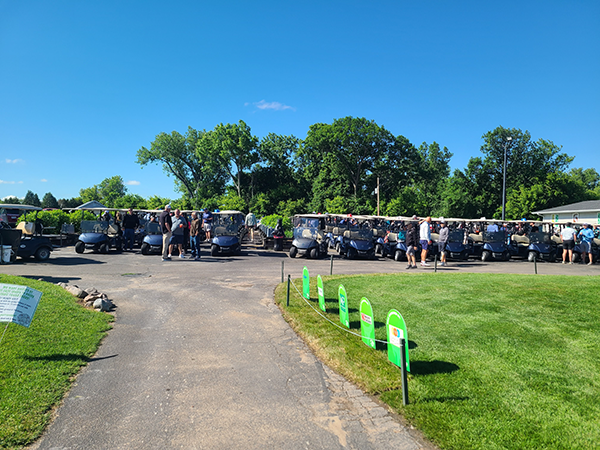
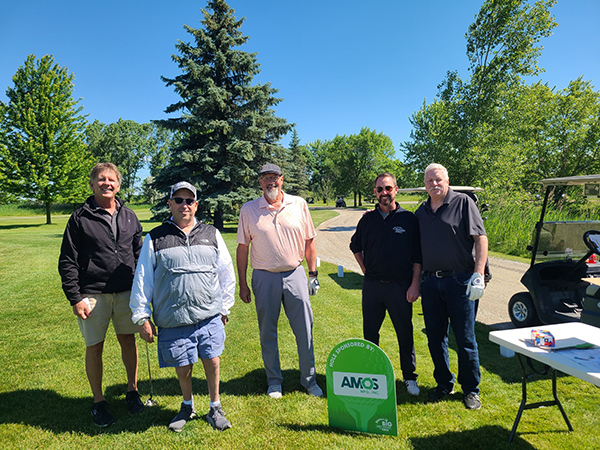
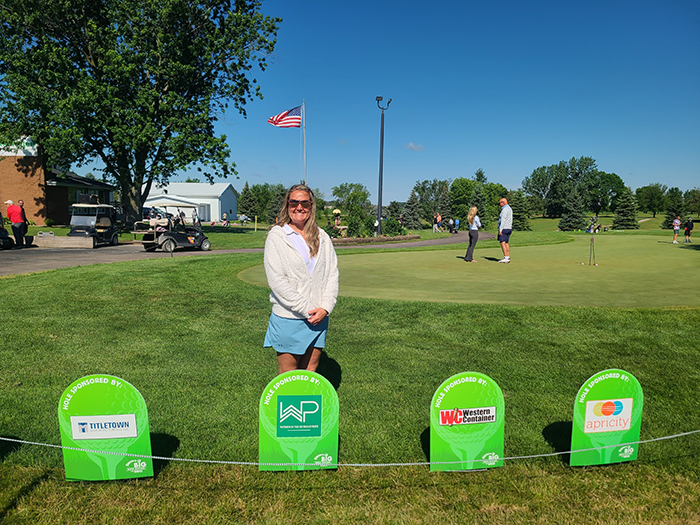
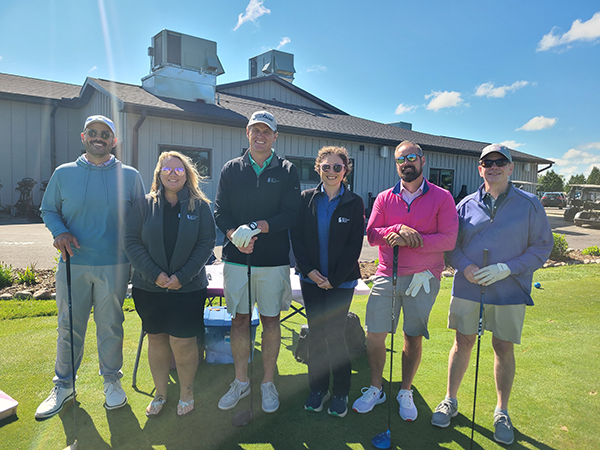
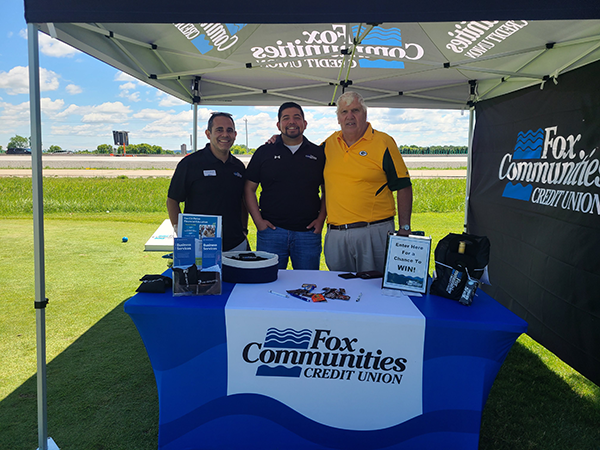
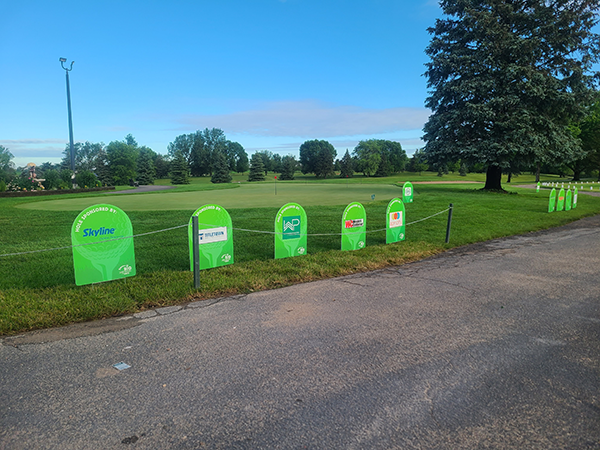
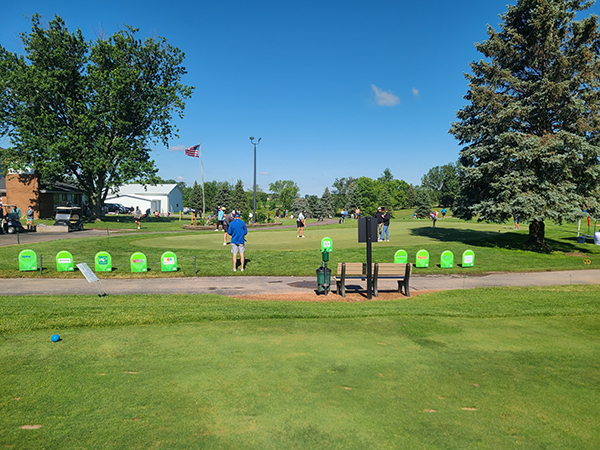
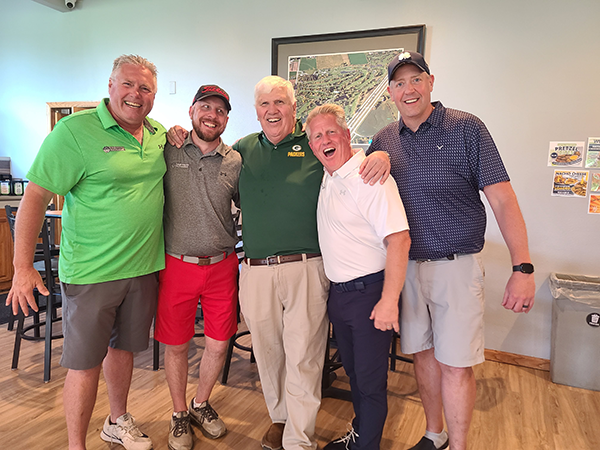
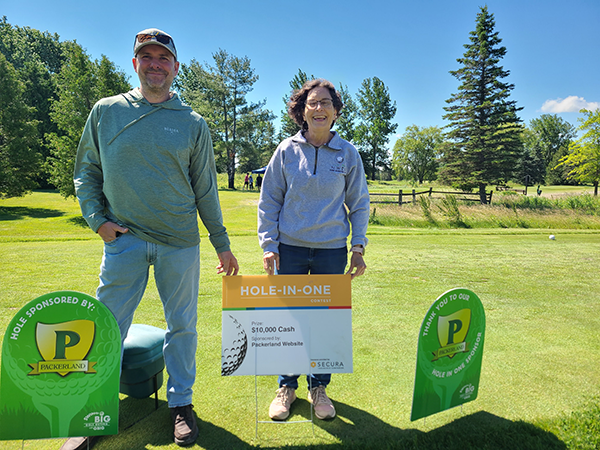
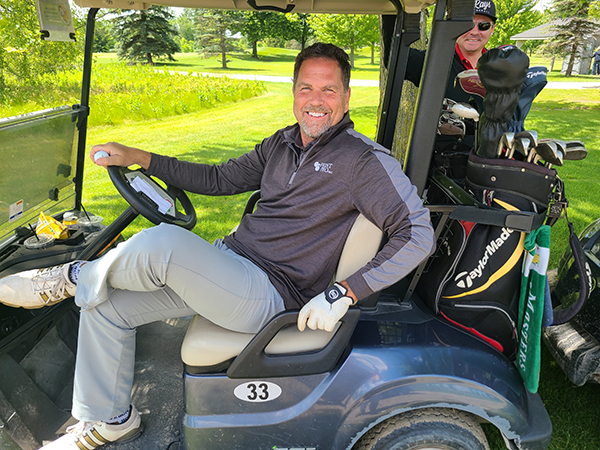
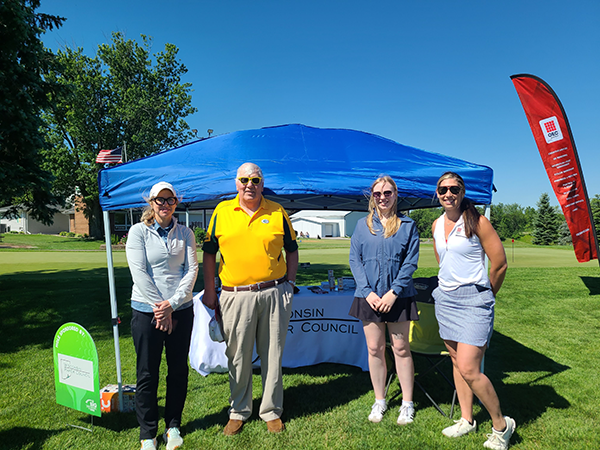
The Swing Big with GBIG was an outstanding success in 2026. We had 215 golfers and 63 Hole-Sponsors with just under three hundred attendees.
We want to thank First Business Bank as the Major Sponsor for the event.
We want to thank Steve Van Dyke, Joan Koehne – Packerland Websites, Caity Wilhelm – Membership Director of GBIG, AJ Buran, Cassie Diedrick & Nicole Onesti – Women in the 5P Industries, VARC, Apricity, and ALL the other volunteers to make this an extraordinarily successful outing.
We will be donating the profits from the event to:
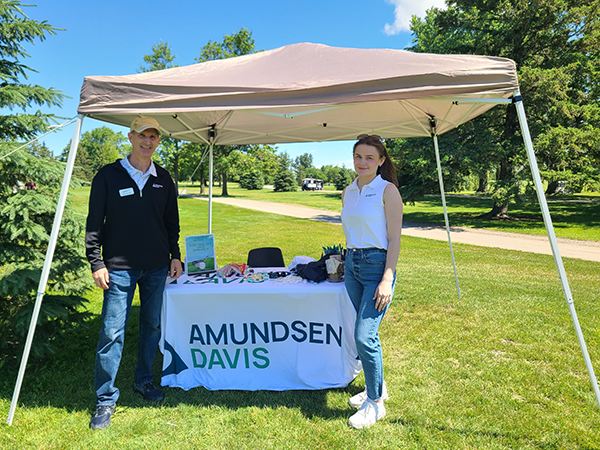
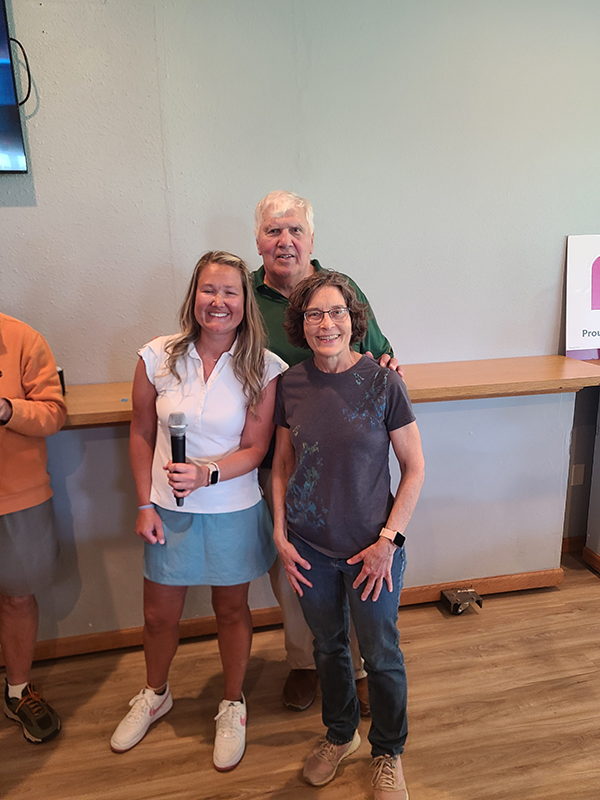
We thank Amundsen Davis for raising $525.00 at their hole with the marshmallow drive. Congratulations to the winners: Andrew Maus in the men’s division and Corey Snyder of Stora Enso in the women’s division.
Sign up for the Driven by Partnerships an appreciation reception at The Automobile Gallery event on Thursday, June 25, from 4:30 – 7:30 p.m. sponsored by Amundsen Davis.
To become a Member of the Green Bay Innovation Group, go to: www.greenbayinnovationgroup.com/join
Marty Ochs
Executive Director
Green Bay Innovation Group
Read the June 17th, 2026 Green Bay Innovation Group Newsletter here.
Get links to the latest news, events, stories, and interviews from our 5P news members. Our goal is to remind the decision-makers in Wisconsin of the importance of our industry both historically, and more importantly, into the future.
Read the latest 85 Stories and Links on the Internet below.

The International Dairy Deli Bakery Association held its show on June 6-9 at the Orange County Convention Center in Orlando, Florida. More than 1,000 exhibitors representing retailers, suppliers, and manufacturers attended this premier food industry event. Cassie Diedrick, GBIG Board member and Business Development Director at Titletown Manufacturing, represented GBIG at IDDBA 2026.
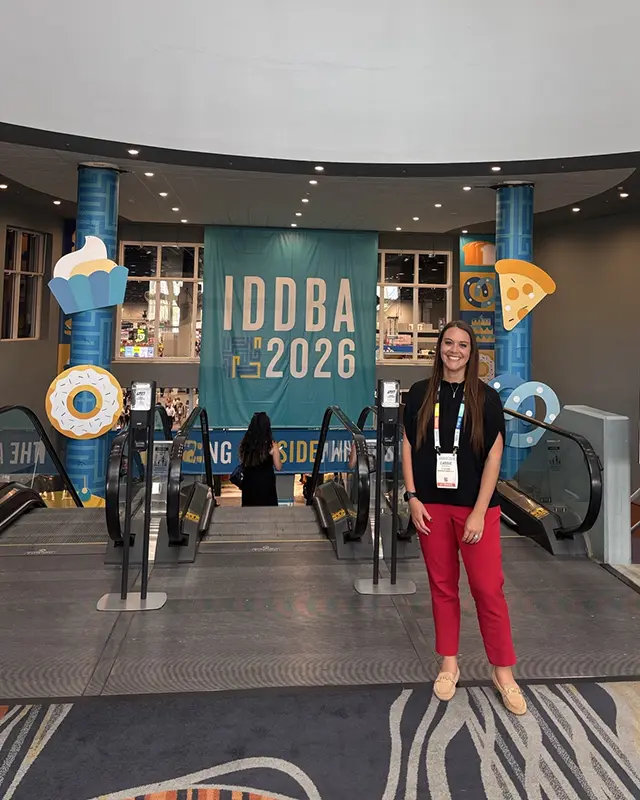
“I had an opportunity to start new conversations beyond the Midwest, connecting with people from California, Arizona, Pennsylvania, and Canada. It really expanded the reach of who we’re engaging with,” Cassie said. “I was able to have meaningful, real conversations with vendors and industry leaders and see what’s trending firsthand. One interesting conversation was about plastic grocery bags in California.”
Speaking to a representative from a large food packaging company, Cassie learned that the show wasn’t necessarily the biggest driver for immediate deals. It’s more about presence and staying top of mind. When those larger opportunities do come through, the show vendors are often the first to hear about them. Being at the show keeps them in the conversation for the times when big orders require additional packaging capacity or capabilities the companies don’t already have.
IDDBA 2026 peaked on June 8 with U.S. and international vendors featuring products ranging from cheese, bakery, and deli to packaging and meat processing. Packaging and equipment manufacturers maintained a strong presence, highlighting solutions focused on efficiency, automation, and operational scale, top priorities across the industry.
The conference also featured a high-profile speaker lineup, including Coach K, Alton Brown, and Trevor Noah, along with a couple fun cake competitions events. Alton Brown had a memorable quote during his talk: “You can’t take advantage of change if you’re afraid of it.” Trevor Noah offered this insight: “Trends tend to come back around in a recycled format.”
Beyond exhibits and programming, attendees appreciated the quality of connections made, new partnership opportunities and shared capabilities across the food value chain. As IDDBA 2026 concluded, the event underscored continued momentum across the industry, combining innovation, collaboration, and leadership in one of the sector’s most important annual gatherings.
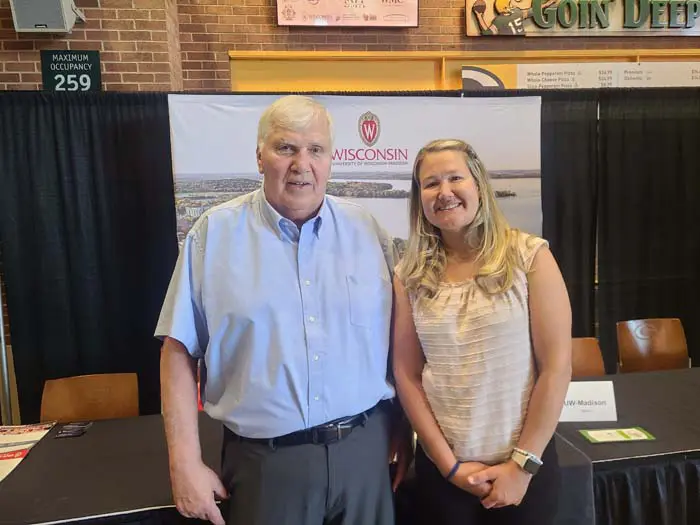
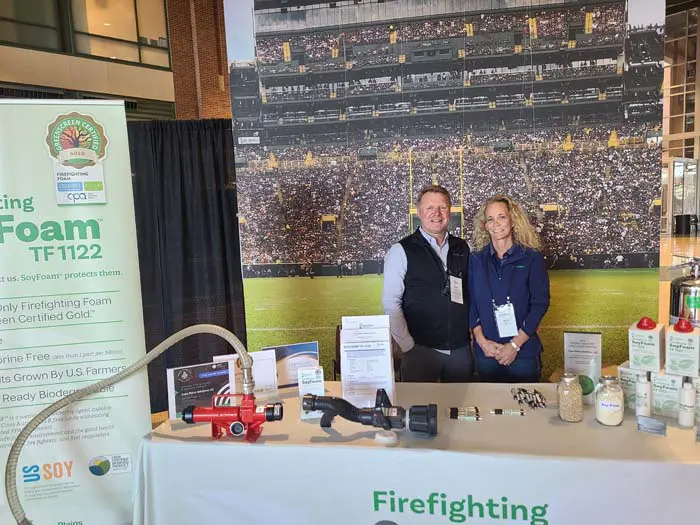
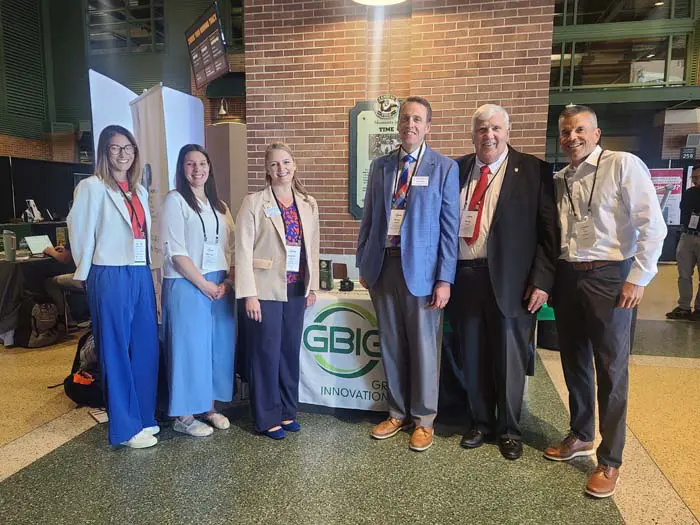
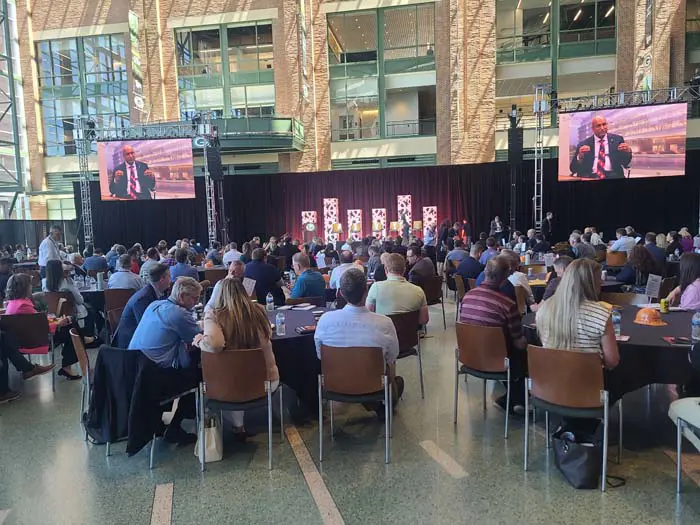
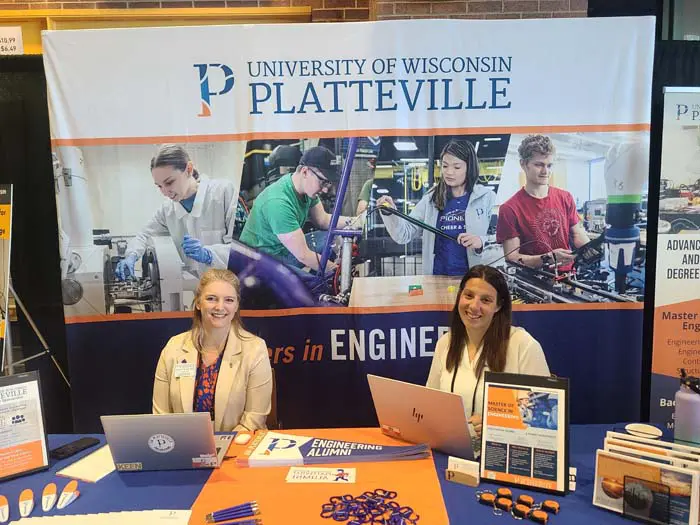
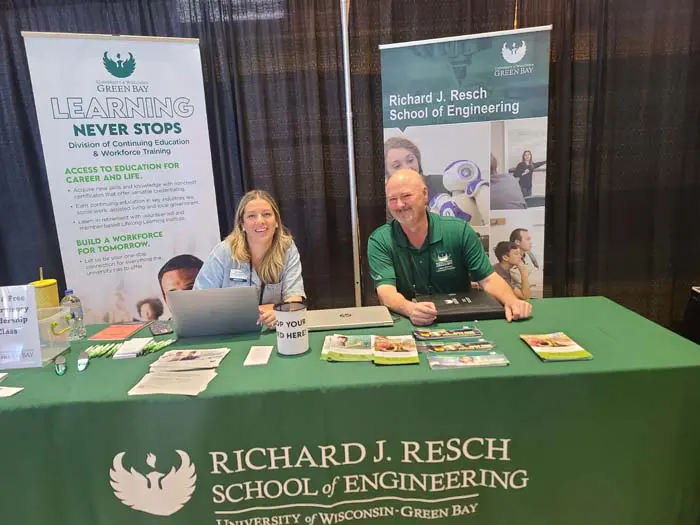
The Wisconsin Drives Manufacturing Summit brought together the people and organizations shaping Wisconsin’s manufacturing sector. Wisconsin has the second-highest concentration of manufacturing employment in the nation, with manufacturing accounting for 15.8% to 20% of jobs statewide. The UW–Madison College of Engineering did an outstanding job bringing this program to Green Bay in partnership with manufacturers across Wisconsin. The University of Wisconsin is a major economic driver, generating $38.9 billion in annual economic impact for the state. UW–Madison supports 287,232 jobs and contributes $1.94 billion in tax impact. Continued support for and investment in UW–Madison is critical to Wisconsin’s economy. We have seen at the federal level major cutbacks of funds across the USA with a major impact on research and science. The United States is experiencing a significant pullback and restructuring of federal science and research investments, and it will have an impact on the Wisconsin economy. UW Madison is in the top five in national research for the first time since 2014 surpasses $1.93 Billion in research expenditures. Simply, we do not need politics to change an extraordinarily successful program. UW Madison goal is to bring together Education and Industry to benefit the State of Wisconsin.
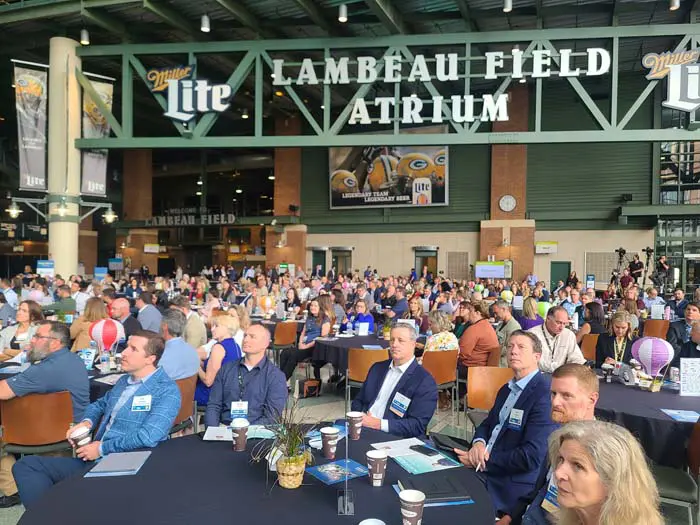
The Green Bay Innovation Group is a proud sponsor for the Wisconsin Drives 2026 Manufacturing Summit. It was a fantastic gathering of individuals, and companies dedicated to advancing manufacturing in Wisconsin with seven hundred people attending. The commitment to growth and innovation was inspiring. Wisconsin has the depth of industry, talent, partners, energy, education, and technology to be a World Leader in Manufacturing.
Marty Ochs
Executive Director
Green Bay Innovation Group Foundation
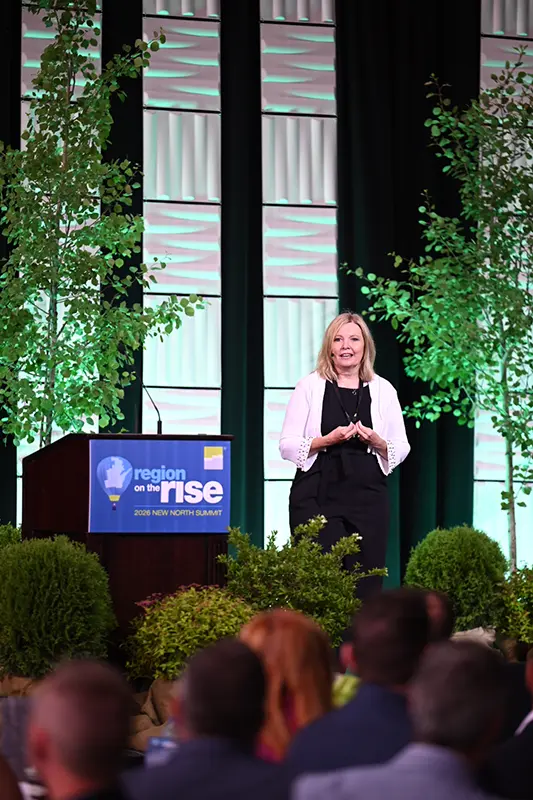
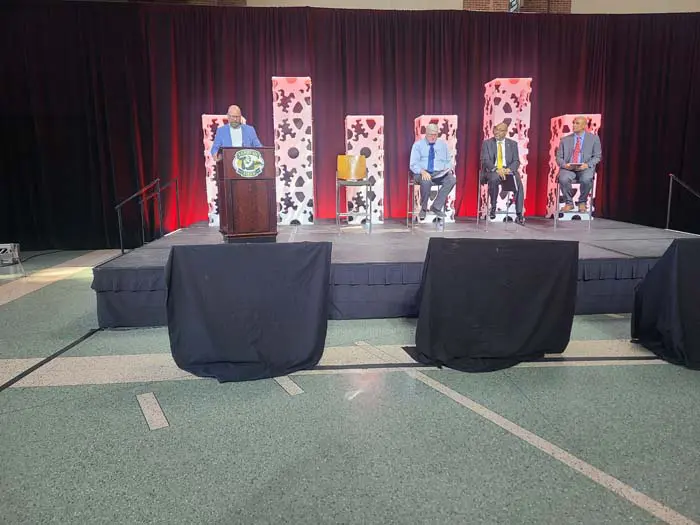
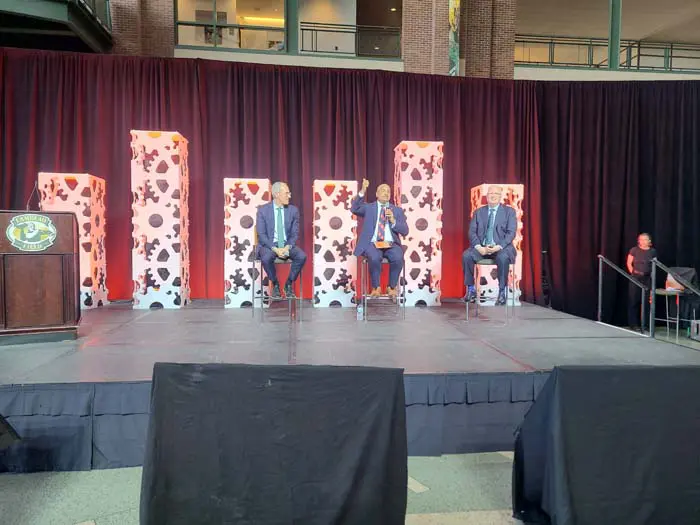
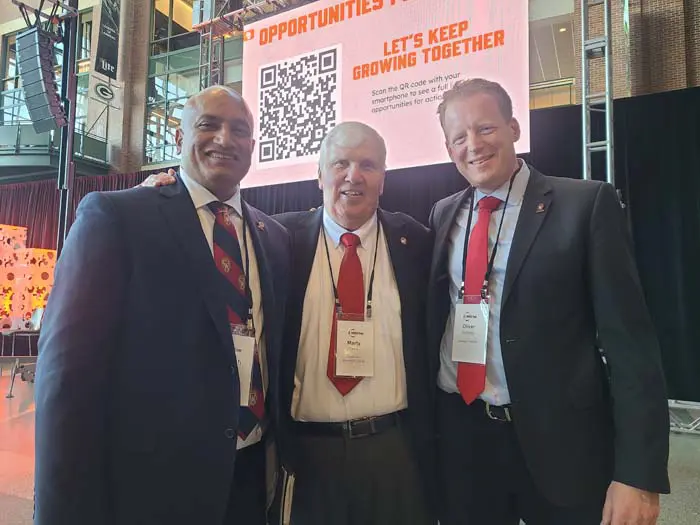
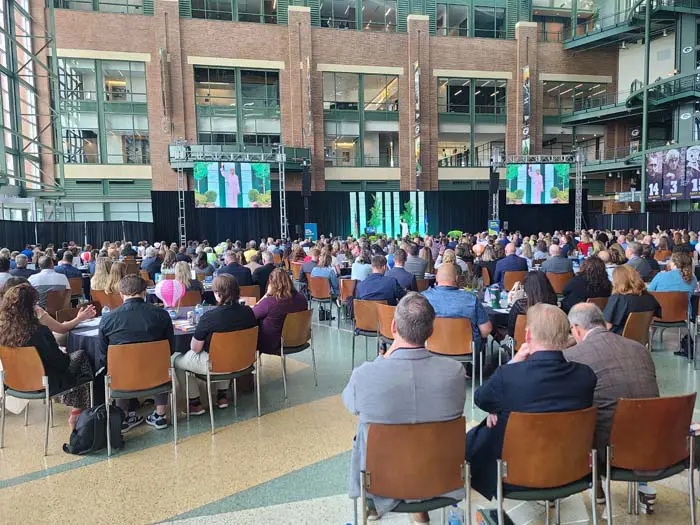
The New North Summit at Lambeau Field on June 9 brought together regional partners, business leaders, educators, nonprofit organizations, sponsors, volunteers and community leaders for a day focused on the people, partnerships and ideas moving Northeast Wisconsin forward.
The energy and engagement throughout the day reflected a clear message: the New North is a region on the rise because people continue to show up, lean in and work together around shared goals.
Collaboration is our competitive advantage. The Summit reinforced that the region’s strength comes from the way businesses, educational institutions, nonprofits, local communities and regional partners come together to advance shared priorities.
Connection matters. Whether through workforce partnerships, entrepreneurship, infrastructure, talent attraction or regional storytelling, progress happens when people build relationships, exchange ideas and stay engaged.
A balanced, strategic approach is essential. As technology continues to change how we live and work, the future will require both innovation and humanity. Strong culture, responsible growth and clear communication will remain critical to helping communities and organizations move forward.
The morning program featured three keynote speakers who each offered a timely perspective on leadership, innovation and communication.
Additional program highlights included a New North update from President and CEO Patti Habeck, videos showcasing how New North connects opportunities to create regional impact, and an update from Wisconsin Economic Development Corporation shared by Sam Rikkers.
The program also included a heartfelt tribute to Steve Janke, founder of Mission Wisconsin and Semper Forward, honoring his lasting impact on New North Hires Heroes and the many veterans, service members and families he helped support throughout his life.
The Summit also recognized Ann Franz and 20 years of impact through the Northeast Wisconsin Manufacturing Alliance, and celebrated Goodwill Industries as the recipient of the Workplace Excellence Award. Insight Publications’ 40 under 40 alumni were also recognized.
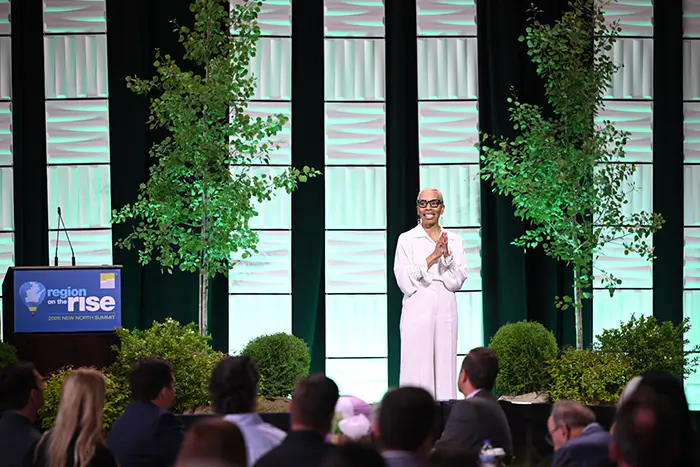
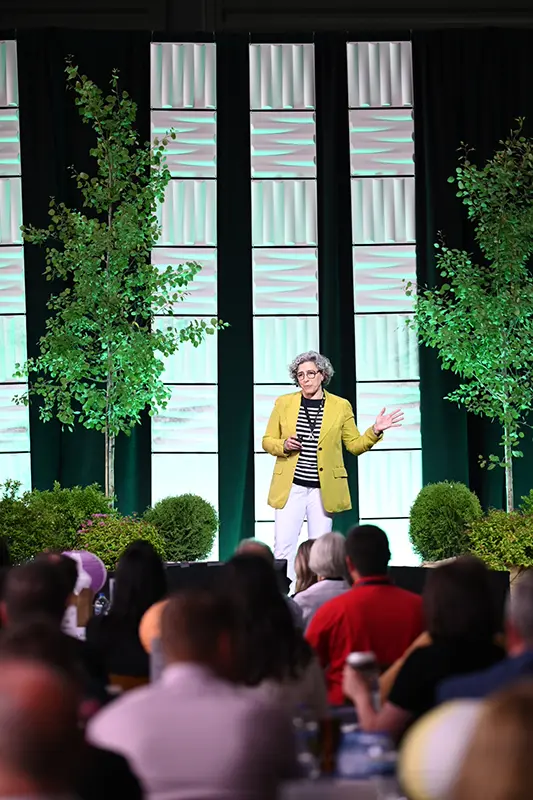
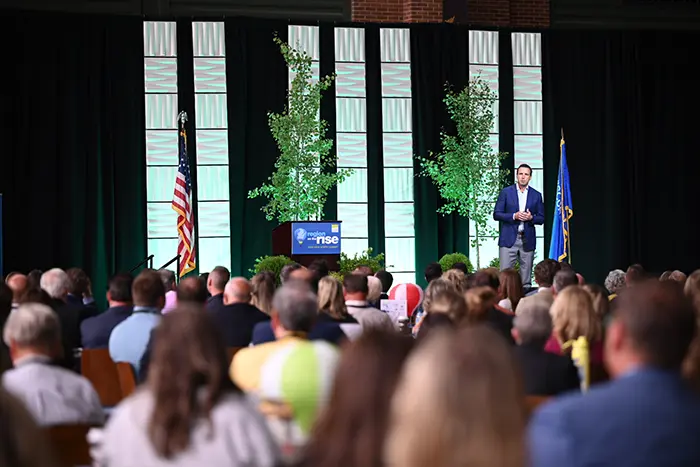
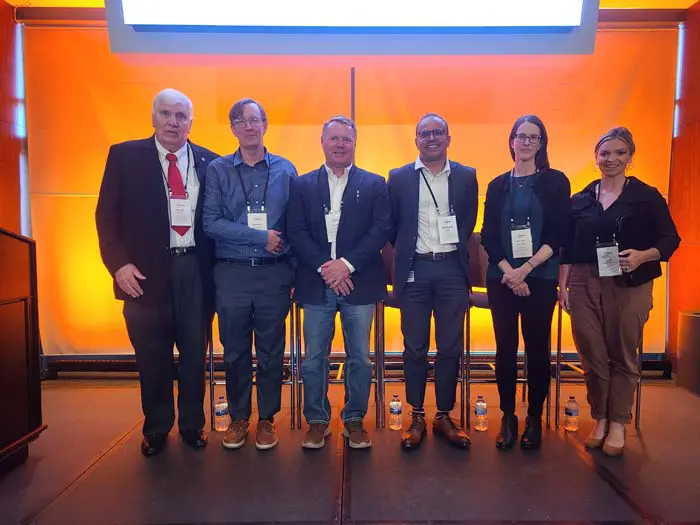
The afternoon continued the momentum with breakout sessions focused on cross-industry talent development strategies, featuring Hope Voight, Dan Suda and Dr. Ashwani Bhatia, as well as entrepreneurship and innovation with Stephen Pounds, Anna Steinfest, Nicole Hurd, Lily Schuette, Jessica Nicholson, Sam and Richard Smith.
Conversations carried into the networking reception, where attendees continued connecting, exchanged ideas, participated in a networking activity led by Ian Abston and enjoyed live music from Mile of Music artist Austin Skalecki.
From powerful keynote messages and regional recognition to meaningful breakout discussions and new connections, the day reflected what makes the New North strong: people coming together with purpose, pride and a shared commitment to building a stronger future for the region we are proud to call home.
The plastic and rubber industry continues to face operational pressure from multiple directions. Supply chain instability, rising material costs, stricter environmental requirements, and aging infrastructure are forcing manufacturers to rethink operational reliability. For many facilities, the focus has shifted from rapid expansion to operational stability, downtime reduction, and increased process visibility.
Plastic and rubber manufacturers operate in highly competitive environments where production interruptions quickly impact delivery schedules and profitability. As a result, many companies are prioritizing reliability improvements and targeted modernization projects. These efforts strengthen existing operations without requiring full system replacement.
Global supply chain volatility remains one of the industry’s largest challenges. Delays involving raw materials, electrical components, drives, sensors, and replacement parts have made consistent production scheduling more difficult.
Many facilities are improving maintenance practices and reducing dependence on obsolete equipment. Upgrading controls, standardizing critical components, and improving spare parts management can help minimize downtime during supply chain disruptions.
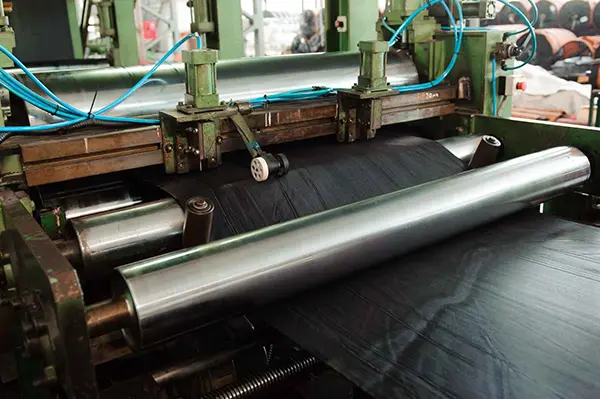
For operations that rely on rubber processing equipment, maintaining reliable motor controls, PLC platforms, and power distribution systems has become increasingly important. Facilities that modernize critical systems often improve troubleshooting efficiency and reduce the risk of outages tied to obsolete components.
Sustainability requirements are also influencing how rubber and plastics manufacturers evaluate production systems. Customers, regulators, and internal initiatives are increasing pressure to improve energy efficiency and reduce waste. Rather than replacing entire production lines, many facilities are implementing focused upgrades that improve operational efficiency while extending equipment life. This includes:
These industrial plastic solutions help facilities strengthen operational performance while supporting long-term sustainability goals.
Production reliability is now a major differentiator for industrial rubber suppliers and global manufacturers. Unexpected downtime can create missed shipments, product quality issues, and increased operating costs.
Many facilities are addressing these risks through a combination of preventive maintenance, electrical system upgrades, and automation improvements. System visibility has become especially important. Operators and maintenance teams need accurate production data and diagnostic information to identify problems before failures occur.
Facilities that invest in modernization often improve:
These improvements are particularly valuable in operations with aging rubber processing equipment or expanding production demands.
The plastic and rubber industry will continue to evolve as manufacturers respond to shifting supply chains, changing customer expectations, and increasing operational demands. Companies that focus on reliability, modernization, and maintainable infrastructure are often better positioned to adapt to future challenges.
For many facilities, success depends on making practical improvements that strengthen existing systems while supporting long-term production goals. Strategic upgrades to controls, electrical systems, and process infrastructure help plastic and rubber manufacturers maintain reliable operations in demanding environments.
For more information about industrial automation, controls integration, and system modernization solutions for manufacturing facilities, contact Adam Kahler at akahler@quadplus.com or (815) 210-9885.
Operational and financial performance are key indicators of success, but improving those metrics can be more challenging than it may seem. For instance, one company in the wide-web flexible packaging space had been attempting to move the needle on operational and financial performance for two years with little measurable change when it contacted SPL Consulting.
Through its partnership with SPL, the company implemented and mastered Lean enterprise practices, strategic planning, and behavioral-science-backed talent development to transform performance. It’s a clear example of how linking strategy, Lean principles, and talent development can accelerate lasting improvement in leadership, transactional and operational processes, and sustained execution.

As a starting point, SPL applied its STRIVE Strategic Business Assessment System to understand the overall performance of the organization from top to bottom. This process involves a questionnaire that uncovers issues like delays, quality issues, strategic maturity, and culture.
In this case, SPL uncovered a lack of a detailed strategic plan and misalignment within the leadership team. SPL led the executive team through a strategic planning process that incorporated a team development exercise designed to help everyone understand each other’s individual behavioral style. This enabled healthy dialogue and opened up discussion about unspoken leadership conflicts. This was a crucial step in the process. If leadership teams are not working well together, it often leads to failed strategic plan execution. Through this exercise, they developed a cohesive plan that ultimately strengthened teamwork among the leaders, laying the foundation for an impactful strategic plan.
Efforts were then focused on addressing corporate objectives, key initiatives, and specific actions necessary to accomplish the objectives. The outcome was a clearly defined strategy aligned around the long-term goal, or True North, of the business. The actions impacted many areas including sales growth; evaluating unprofitable business; team and cultural issues; delays resulting from incorrect or missing information on travelers; and lack of capacity. The decision was made to immediately focus on creating capacity by reducing setup time and increasing revenue generated per hour.
The initiative began with a clear and measurable goal: reduce setup time by 25%. While ambitious, the target reflected a broader need to improve responsiveness, increase capacity, and reduce non-value-added activity within the operation. To support this, a cross-functional Kaizen team was assembled, bringing together operators, key stakeholders, and others not involved in the process.
The project charter outlined a structured approach. It included training on Lean principles and SMED (Single-Minute Exchange of Die) methodology, hands-on application to critical equipment, development of standardized work for multiple staffing scenarios, and the creation of systems to sustain improvements over time. Importantly, the effort was not limited to observation, emphasizing implementation, accountability, and long-term adoption.
The team began with direct observation of the setup processes for both press and bag departments. This step is often underestimated, yet it is foundational to any successful Lean initiative. By documenting actual setup times and documenting the actual process rather than making assumptions about the process, the team gained a clear picture of inefficiencies embedded in the current state.
Several forms of waste were identified, aligning with the classic eight wastes of the Lean framework. Excess motion was particularly evident, with operators walking significant distances to retrieve tools and materials. Waiting, overprocessing, and defects were also present, often driven by inconsistent information flow and lack of standardization.
Baseline performance data from the previous year revealed substantial variability. Setup times ranged widely depending on job complexity, with average times per color significantly higher than desired. These inconsistencies highlighted the absence of a predictable and reliable process.
A key component of the improvement effort was the introduction of standard work through a SMED Kaizen, a methodology aimed at reducing equipment setup and changeover to less than 10 minutes. This included clearly defined roles for both two-person and three-person setups, ensuring that responsibilities were understood and executed consistently. Standard work also reduced reliance on individual habits or tribal knowledge, replacing variability with repeatability.
Workplace organization played a significant role as well. By implementing 5S organization principles and establishing point-of-use storage for tools and supplies, the team minimized unnecessary movement and eliminated the need to hunt for tools and supplies.
In addition to physical changes, the team addressed process gaps in information flow. Collaboration with customer service uncovered inconsistencies in how repeat order details were documented and transferred. Missing or incomplete information often led to delays and rework during setup. By defining clear expectations and adjusting the flow of completed orders — with needed updates — back to customer service, these issues were mitigated.
Safety improvements — often referred to as the sixth S in the 5S method — were also incorporated, demonstrating that operational excellence and employee well-being go hand in hand. For example, modifications were made to ensure safer access to certain areas of the equipment, reducing risk without compromising efficiency.
The results of the initiative were both measurable and impactful. By the end of the Kaizen, pressroom setup time was reduced by 37%, an improvement exceeding the original target of 25%. The bag department achieved a 50% reduction in setup time.
At the beginning of the process, one of the Kaizen participants had predicted they would see no reduction in setup time. As the results were being presented, the participant shared his honest opinion that he had doubted someone from the outside could improve on what the company had done for years. They had a good process, he reasoned.
The CEO asked if he believed — really believed — that the results quantified were achievable. The Kaizen participant said yes. The CEO asked him to expand on the change of opinion. The participant then said, “Because we did it. The results were based on actual timing of the old process and after testing the new standard work.”
One of the most critical aspects of the initiative was the focus on sustainment. Too often, improvement efforts deliver short-term gains that erode over time. It is not through malicious intent. Familiar processes act like muscle memory; as creatures of habit, we subconsciously drift toward old methods. To prevent this, we implemented several mechanisms to ensure long-term adoption of the new standard work.
To ensure the process didn’t drift, an audit and validation schedule was introduced. Regular audits ensure that standard work is being followed and that improvements are maintained. Clear guidelines were provided to auditors, creating consistency in how evaluations are conducted.
But wait, it gets better! Through sustainment support over a period of eight weeks, the pressroom ultimately sustained a 44% reduction in overall setup time, and the bag department sustained a 56% reduction.
Beyond the quantitative results, the initiative generated valuable qualitative insights. Team members highlighted the importance of organization, communication, and clearly defined processes. What was once described as a “puzzle” became a structured and predictable workflow.
The role of teamwork also emerged as a critical factor. Effective coordination between operators reduced confusion and improved efficiency, reinforcing the value of collaboration in achieving operational excellence.
Perhaps most importantly, the initiative served as a cultural turning point. It demonstrated that meaningful improvement is possible when teams are empowered with the right tools, training, and support. The combination of data-driven analysis and practical implementation created a sense of ownership and engagement among participants.
Ultimately, this effort illustrates a fundamental truth: Operational excellence is not achieved through isolated changes, but through disciplined, systematic improvement. By combining leadership, strategic planning, and Lean principles with front-line engagement and strong execution, organizations can unlock significant value — often hidden in plain sight within their existing processes.
The preceding content was provided by a contributor unaffiliated with Packaging Impressions. The views expressed within may not directly reflect the thoughts or opinions of the staff of Packaging Impressions.

HOWARD, Wis. — Keller, Inc. is pleased to announce that Alive & Kickin’ Pizza Crust has
selected Keller as its Architect and Design/Build partner on a 75,500 sq. ft. interior remodel
and freezer/cooler addition project located at 1250 Cornell Road in Howard, Wisconsin.
The project will involve the transformation of an existing paper converting facility into a
modern, state-of-the-art food processing plant. Keller’s team will lead the adaptive reuse effort,
retrofitting the structure to meet the specialized requirements of food production while
integrating new freezer and cooler space to support expanded operational capacity.
Alive & Kickin’ Pizza Crust selected Keller following an in-depth Discovery process focused
on understanding production workflows, operational goals, and long-term growth plans.
Through customized design solutions, the project is being developed to maximize efficiency,
improve product flow, and position the company for continued expansion.
Once complete, the upgraded facility will enable Alive & Kickin’ Pizza Crust to increase
production capabilities and expand its presence within a growing market segment beyond its
traditional business model.
Construction is scheduled to begin in May, with project completion anticipated in Winter/Spring
2027.
Keller’s integrated design/build approach will support the project from concept through
completion, ensuring seamless coordination and delivering a facility designed to serve Alive &
Kickin’ Pizza Crust’s evolving needs for years to come.
For more information on Keller, Inc., Top Metal Builder in the Nation as reported by “Metal Construction News”,
visit www.kellerbuilds.com .

Bringing Green Bay Companies Together. Green Bay Innovation Group is committed to building an authentic networking experience where innovation can thrive.
© 2026 Green Bay Innovation Group Foundation Inc Charity ID: 93-3456487
Site By: Packerland Websites